

Close Menu
Fearless Flight Club
    What's Hot

    How Far Can Airplane Wings Bend — And Why That’s a Good Thing

    September 10, 2025

    How Do Huge Airplanes Stay in the Air? Understanding the Magic Behind Massive Jets Like the A380

    September 10, 2025

    Why Don’t Planes Have Parachutes for Passengers?

    September 10, 2025
    Facebook X (Twitter) Instagram YouTube TikTok
    Facebook X (Twitter) Instagram YouTube TikTok
    Fearless Flight Club
    • Home
    • Your Flying Questions
      • Aircraft Systems
      • Aircraft Types & Myths
      • Emergencies
      • In-Flight Experience
      • Navigation & Safety Systems
      • Pilots & Crew
      • Takeoff & Landing
      • Weather & Environment
    • Get In Touch
    Subscribe
    Fearless Flight Club
    Home»Your Flying Questions»Aircraft Systems»Why Is Only One Propeller Turning While Taxiing?
    Aircraft Systems

    Why Is Only One Propeller Turning While Taxiing?

    Understand why one propeller turning taxi operations are safe, efficient, and nothing to worry about.
    FearlessFlightClubBy FearlessFlightClubSeptember 10, 2025Updated:September 10, 2025No Comments3 Mins Read
    Share Facebook Twitter Pinterest LinkedIn Tumblr Reddit Telegram Email
    Share
    Facebook Twitter LinkedIn Pinterest Email

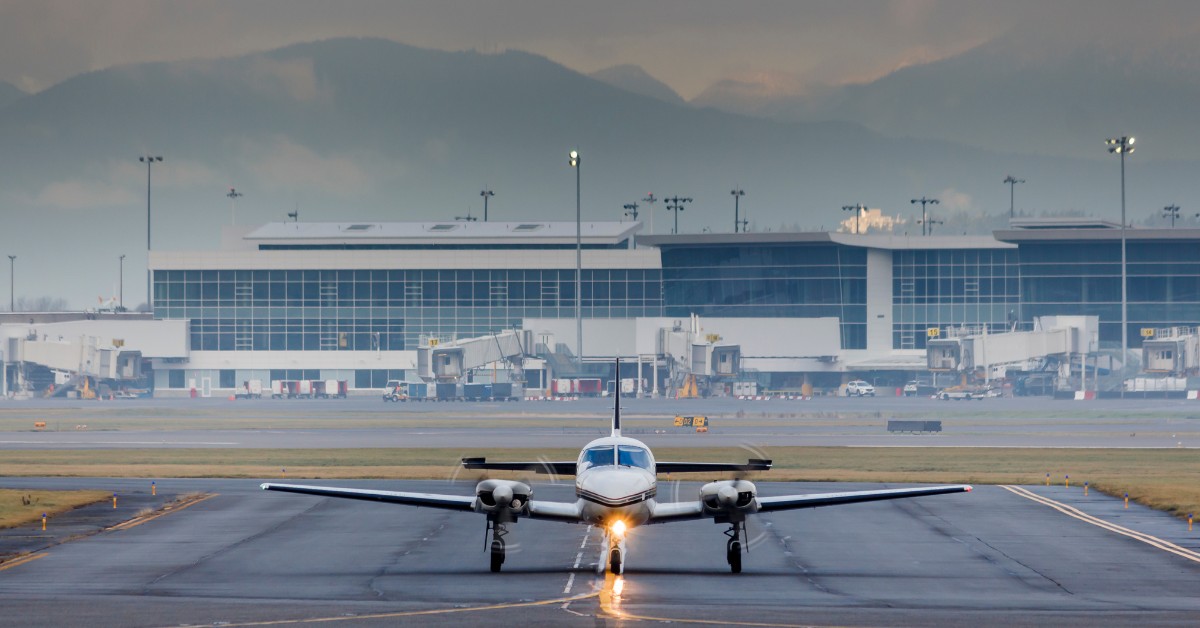
    A spinning propeller on just one side of the aircraft can feel unsettling. You might glance out the window during taxi and wonder, ‘Is something wrong with the engine?’ If you’ve noticed one propeller turning during taxi while the other stays still, you’re not alone—it’s a very common passenger concern. But that sight, while surprising, is a completely normal and safe part of modern flight operations.

    So, what’s happening when only one propeller is turning on the ground? Let’s break it down.


    Understanding the One Propeller Turning Taxi Procedure

    What you’re seeing is called single-engine taxiing. On some turboprop aircraft, pilots purposely shut down one engine during taxi to save fuel, reduce brake wear, and lower ground noise levels, especially when there’s no need for full power while slowly moving on the tarmac.

    This technique is especially common on regional aircraft or military-style turboprops designed to taxi safely using only one engine. It’s a standard operating procedure that’s widely recognized in the aviation industry.


    Debunking the ‘Engine Failure’ Misconception

    A common myth among anxious flyers is that if one propeller isn’t turning, the engine must be broken. But in most cases, it’s not a malfunction—it’s an intentional decision by the flight crew for operational efficiency. If there were an actual engine issue, the aircraft would never leave the gate, let alone start taxiing.

    The absence of movement doesn’t mean a problem exists—it often means things are working exactly as planned.


    From the Flight Deck: How Pilots Handle It

    Pilots are trained extensively in single-engine taxi procedures. Before deciding to use one engine, they consider runway length, surface conditions, airport congestion, and weather. If any factor makes it safer or smarter to use both engines, they do.

    Once close to the runway, the second engine is started before takeoff. Both engines are always running—in full—you guessed it—when it truly counts: during takeoff, climb, cruising, and landing.

    Pilots never compromise on safety. Single-engine taxi is a strategic decision, not a shortcut.


    Reframing What You See: Safety in Simplicity

    If your brain starts sounding an internal alarm when you see one static propeller, remember this: what feels unbalanced to you is under full control in the cockpit.

    Think of it like driving a hybrid car that automatically switches to electric power in certain conditions. It’s efficient by design—and invisible efficiency can feel strange if you don’t know it’s happening.

    Airplanes are full of smart, subtle systems designed for efficiency that look odd unless you understand the reasons.


    Why Knowledge Helps Ease the Fear

    The key to calming this fear is knowing that one propeller turning during taxi is not a red flag—it’s a green light for safety and fuel management. This procedure has been studied, tested, and approved by aviation authorities worldwide. It also aligns with modern environmental goals to reduce emissions and noise where possible.

    Next time you notice it, take a breath and remind yourself: one engine taxi is routine, not risky. You’ve just spotted another way pilots manage flight with precision and care.

    Knowledge is your co-pilot. You’ve got this!

    Fearless Flight Club
    aviation safety engines fear of flying procedures propeller planes taxiing
    Share. Facebook Twitter Pinterest LinkedIn Tumblr Email
    Previous ArticleWhy You Might Feel a Plane Hovering Mid Flight — And Why It’s Completely Normal
    Next Article Why Are Cabin Lights Flickering Before Takeoff and Landing?
    FearlessFlightClub
    • Website

    Related Posts

    Aircraft Systems

    How Far Can Airplane Wings Bend — And Why That’s a Good Thing

    September 10, 2025
    Aircraft Types & Myths

    How Do Huge Airplanes Stay in the Air? Understanding the Magic Behind Massive Jets Like the A380

    September 10, 2025
    Aircraft Types & Myths

    Why Don’t Planes Have Parachutes for Passengers?

    September 10, 2025
    Add A Comment
    Leave A Reply Cancel Reply

    Top Posts

    How Do Strong Winds Affect Takeoff and Landing?

    September 10, 2025160 Views

    Should I Be Worried About a Flight Delay for Mechanical Issues?

    September 10, 2025148 Views

    Why Do Flights Return to Gate After Boarding?

    September 10, 2025116 Views
    Stay In Touch
    • Facebook
    • YouTube
    • TikTok
    • Twitter
    • Instagram
    Latest Reviews

    Subscribe to Updates

    Get the latest tech news from FooBar about tech, design and biz.

    Most Popular

    How Do Strong Winds Affect Takeoff and Landing?

    September 10, 2025160 Views

    Should I Be Worried About a Flight Delay for Mechanical Issues?

    September 10, 2025148 Views

    Why Do Flights Return to Gate After Boarding?

    September 10, 2025116 Views
    Our Picks

    How Far Can Airplane Wings Bend — And Why That’s a Good Thing

    September 10, 2025

    How Do Huge Airplanes Stay in the Air? Understanding the Magic Behind Massive Jets Like the A380

    September 10, 2025

    Why Don’t Planes Have Parachutes for Passengers?

    September 10, 2025

    Subscribe to Updates

    Get the latest tips from Fearless Flight Club about flight safety, calm travel, and building confidence.

    Facebook X (Twitter) Instagram YouTube TikTok
    • Privacy Policy
    • Terms of Service
    © 2026 Fearless Flight Club. Designed by Fearless Flight Club.

    Type above and press Enter to search. Press Esc to cancel.