


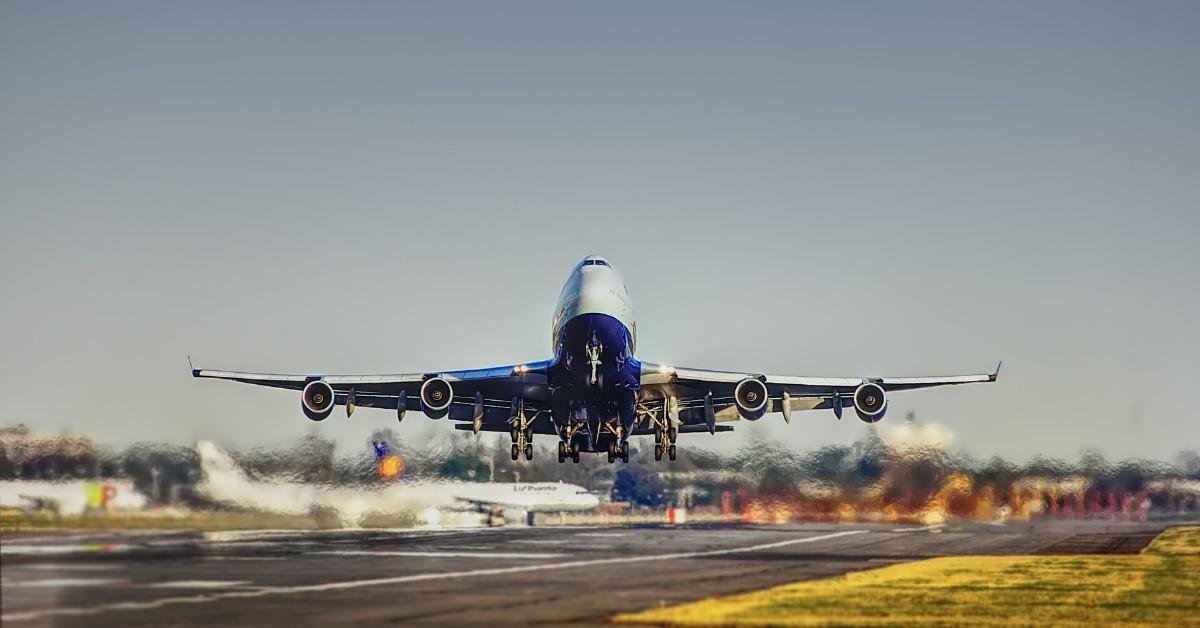
Strong winds during takeoff and landing can feel unnerving. You might wonder whether the plane is struggling or if the gusts are too much for the aircraft to handle. This fear is common—and completely understandable. These are the most dynamic phases of flight, and when the wind gets involved, your senses pick up every sway, turn, or bump. But here’s the reassuring truth: strong winds during takeoff and landing are not only expected—they are planned for. You’re in very capable hands from runway to sky. Let’s break it down.
What ‘Strong Winds Takeoff Landing’ Really Means
The phrase ‘strong winds takeoff landing’ refers to the way aircraft respond to increased wind speeds right before or after being airborne. But not all wind is equal. There are two main types of wind that affect takeoff and landing: headwinds and crosswinds.
- Headwinds: These blow directly against the nose of the aircraft. They are actually helpful for takeoff and landing because they give the wings more lift at slower ground speeds.
- Crosswinds: These blow across the runway and can cause the aircraft to drift sideways. Pilots use specific techniques to keep the plane aligned.
Strong winds don’t catch pilots off guard—they’re constantly monitored. Every approach and departure is based on real-time wind data gathered by airport control towers and onboard instruments. If conditions go beyond safe operating limits, flights are delayed, rerouted, or redirected. Safety always comes first.
Myth-Busting Moment: Wind Means Danger
One of the biggest misconceptions is that high winds always equal danger. The reality: commercial planes are designed and certified to handle much stronger winds than most passengers will ever experience. For example, many aircraft can safely land with up to 30-40 mph crosswinds, and even higher for headwinds.
It’s also a myth that wind can flip a plane or knock it out of the sky. Modern aircraft are engineered to stay stable even when winds shift suddenly. Pilots train for these exact scenarios in flight simulators—repeatedly—before ever facing real-world wind conditions with passengers onboard.
From the Flight Deck: How Pilots Handle Wind
Pilots love precision—and wind is a variable they account for well in advance. Before takeoff or landing, they check wind speeds, direction, gusts, and runway configurations. If winds are strong, they make tactical adjustments:
- Using specialized techniques like the ‘crab’ or ‘sideslip’ to keep the aircraft straight during a crosswind landing.
- Selecting different runways that better align with the wind direction.
- Changing speeds or flap settings to optimize control and safety.
And here’s something pilots will tell you: landing in wind is a skill they take pride in mastering—it’s part of the art of flying. You’re seeing expert handling, not uncertainty.
Passenger Reassurance: Why You Can Trust the System
If you feel uneasy during windy takeoffs or landings, you’re not imagining things. Yes, strong winds can create sensations like swaying, tilting, or bumps. But those movements are within normal, expected behavior for the aircraft.
Think of it like driving on a rough road—you feel movement, but the car remains under control. Planes are just as stable in the air. And unlike cars, aircraft have multiple layers of preparation and personnel behind every action:
- Dispatchers and flight planners analyze wind forecasts and select optimum flight paths and altitudes.
- Air Traffic Control (ATC) constantly updates pilots on wind changes and reroutes traffic accordingly.
- Pilots apply judgment and training—they don’t just follow procedure, they think ahead.
You may also notice that wind bothers you more near the ground. That’s because trees, buildings, and terrain create gusts closer to the surface. Higher up, winds are steadier and easier to manage.
Quick Confidence Boosts
- Aircraft are built to handle winds far stronger than you’ll ever fly through.
- Pilots train for high-wind scenarios far beyond real-life ranges.
- Your comfort may shake—but your safety doesn’t.
The next time your plane rocks during takeoff or touchdown, remember this: it’s not a flaw—it’s your aircraft adapting exactly as designed. And behind those controls is someone who’s practiced this situation hundreds of times before ever taking passengers up.
Knowledge is your co-pilot. You’ve got this!
Fearless Flight Club
