


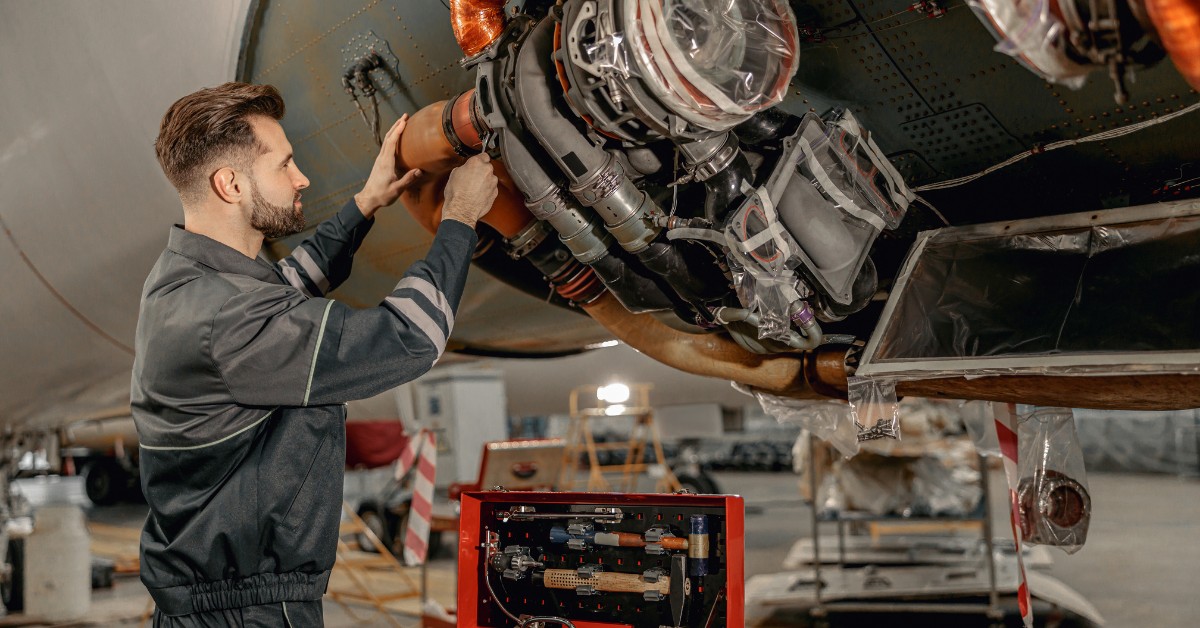
A flight delay for mechanical issues can trigger a surge of anxiety. Your plans are interrupted, your destination feels farther away—and worst of all, the word ‘mechanical’ might conjure fear that something’s wrong with the plane. But here’s the truth: delays for mechanical reasons are not a sign of danger. They’re a sign that the airline is doing exactly what it should to keep you safe. Let’s break it down.
Why Flights Are Delayed for Mechanical Issues
Aircraft are highly engineered machines that undergo constant inspection. A flight delay for mechanical issues usually means a technician has noticed something—even if it’s small—that needs attention. This could be as routine as a faulty lightbulb in the cockpit or a tire that needs replacing. Most issues don’t indicate failure; they’re about preventing problems before they can start.
Just like a car gets checked before a road trip, planes get routine maintenance all the time. The difference is that aircraft maintenance is governed by strict federal and international safety regulations. If there’s any doubt, the plane stays on the ground. That’s a good thing.
What ‘Mechanical Issues’ Actually Involve
The term sounds vague, but it’s not a cloak for imminent danger. It’s a catch-all for dozens of non-emergency situations that don’t meet operational standards. Examples include:
- Minor sensor malfunctions
- Hydraulic fluid levels needing adjustment
- Inoperative cabin equipment like galley ovens or reading lights
- Warning indicators that need closer inspection
Many of these items don’t affect the flight’s safety at all. But airlines and pilots follow a ‘no compromise’ policy when it comes to confirming everything is working as it should. It’s about precision, not panic.
Myth-Busting Moment: ‘If It Needs Fixing, It Must Be Unsafe’
This assumption is common—and understandable. But it’s exactly backward. A mechanical delay doesn’t mean the plane was unsafe to fly; it means someone caught a potential issue early. In aviation, that’s proof the system is working.
Think of it like seeing a flashing check engine light in your car. You don’t keep driving and ignore it—you troubleshoot it and fix it before continuing. Airlines take the same approach, but with far more scrutiny and documentation. It’s caution, not crisis.
From the Flight Deck: What Pilots Know
Pilots are trained to be methodical and unflinching in the face of delays. When a flight is postponed due to mechanical issues — they know it’s part of operating safely. Before every flight, pilots conduct pre-flight checks and review a maintenance logbook called a logbook discrepancy report. If there’s an issue, even a minor one, they pause the flight.
They don’t view this as a red flag. They see it as their standard operating procedure—ensuring that when they do take off, everything is ready. Their calm isn’t indifference. It’s confidence in a well-oiled safety system.
Passenger Reassurance: What This Means For You
Feeling nervous during a mechanical delay doesn’t mean you’re overreacting—it means you care deeply about safety. And guess what? So do the people maintaining and flying the aircraft. The delay means the plane is receiving extra attention, not less. It means systems are being double-checked, fixed, or replaced well before they create a risk.
Here are a few reassuring facts to hold on to:
- Airplanes undergo multiple safety checks before every flight.
- Delays happen because teams follow strict rules—not because something serious has gone wrong.
- The decision to delay is made with one priority: your safety.
Delays can be inconvenient. But in aviation, they are always better than shortcuts. You are not being neglected—you are being protected.
Screenshot-worthy truth:
‘Mechanical delay’ doesn’t mean risk—it means someone is making sure there isn’t one.
Delays aren’t signs of failure. They’re evidence of a system that puts safety first.
If your flight is delayed, it’s because the plane is getting the care it needs—just like you deserve.
Knowledge is your co-pilot. You’ve got this!
Fearless Flight Club
