


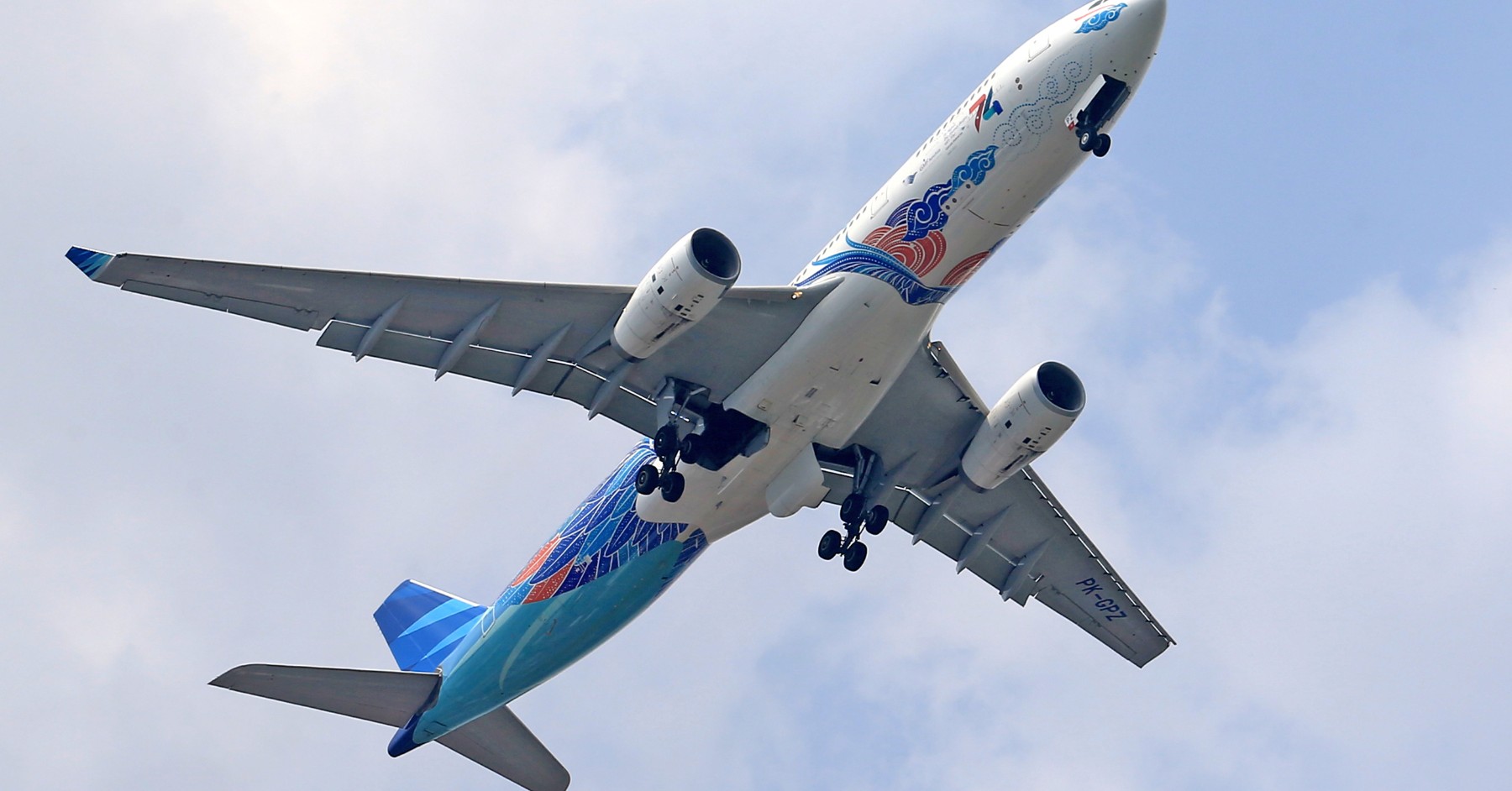
A loud clunk. A deep mechanical whir. Maybe even a jolt beneath your feet. The moment you hear and feel the plane landing gear deploy, your heart might skip a beat. Many passengers fear these sounds signal a problem—but in reality, they mark one of the most predictable, routine moments in aviation. The noise might feel jarring, but it’s not a sign of trouble. It’s your aircraft getting ready to land safely.
So, what are you actually hearing? Let’s break it down.
What Happens When the Plane Landing Gear Deploys?
As your plane begins its descent, the pilots follow a step-by-step checklist to prepare for landing. One of those steps is extending the plane landing gear—the wheels and supporting structure that allow the aircraft to land. Unlike car tires, these aren’t just sitting idle. They’re tucked inside the aircraft during flight to reduce aerodynamic drag, then mechanically lowered before touchdown.
When the system activates, you may hear several things:
- A hum or whirring as hydraulic or electric actuators extend the gear
- One or more loud ‘thunks’ as the wheels lock into place
- Cabin vibrations from the gear shifting and securing underneath
These sounds aren’t cause for alarm—they’re signs that the system is working exactly as designed.
Myth-Busting: Noise Isn’t a Warning
It’s common to think, ‘That can’t be normal—it was so loud.’ But the volume of the noise doesn’t equal danger. The landing gear is a massive structure made of thick metal, and when it moves, it creates forceful sounds. The thunk you hear is the gear locking into position—a key safety feature to ensure it stays in place on touchdown.
In fact, if a plane ever did have gear issues (which is extremely rare due to redundancy systems), there would be no sudden noise or panic. Instead, the crew would be fully trained to handle it quietly and methodically. What you’re hearing is not a warning—it’s a cue that landing preparations are underway.
It might sound dramatic, but it’s just drama-free engineering doing its job.
From the Flight Deck: What Pilots Know and Trust
For pilots, the transition into landing is routine. Deploying the plane landing gear is just a small item on a long approach checklist. The cockpit has multiple indicators to confirm the gear is down and locked, including physical readings, lights, and sometimes even visual confirmation from a crew member.
This process is drilled thoroughly during training. Pilots don’t just trust the system—they verify it, monitor it, and have backups ready. If something doesn’t meet the standard, they have highly structured protocols that include everything from alternate gear extension to delaying the landing for troubleshooting.
To them, that loud noise? It’s background music on the path to a safe landing.
Shifting Your Perspective as a Passenger
When you’re anxious, unfamiliar sensations like these can feel threatening. That’s completely normal. You’re not being ‘silly’ or ‘too sensitive’—you’re mentally scanning for safety cues. But once you realize these sounds occur on every flight, and with a clear purpose, they start losing their edge.
Think of it this way: the clunk of a seatbelt buckle doesn’t scare you anymore because you know what it is. The landing gear sound is the plane’s version of putting on its wheels—loud, maybe, but necessary and expected.
Next time you hear the gear deploy, remind yourself: that means you’re getting closer to landing. The crew is doing exactly what they should. And you’re that much closer to touchdown.
That clunk? It’s the sound of getting home.
Knowledge is your co-pilot. You’ve got this!
Fearless Flight Club
