


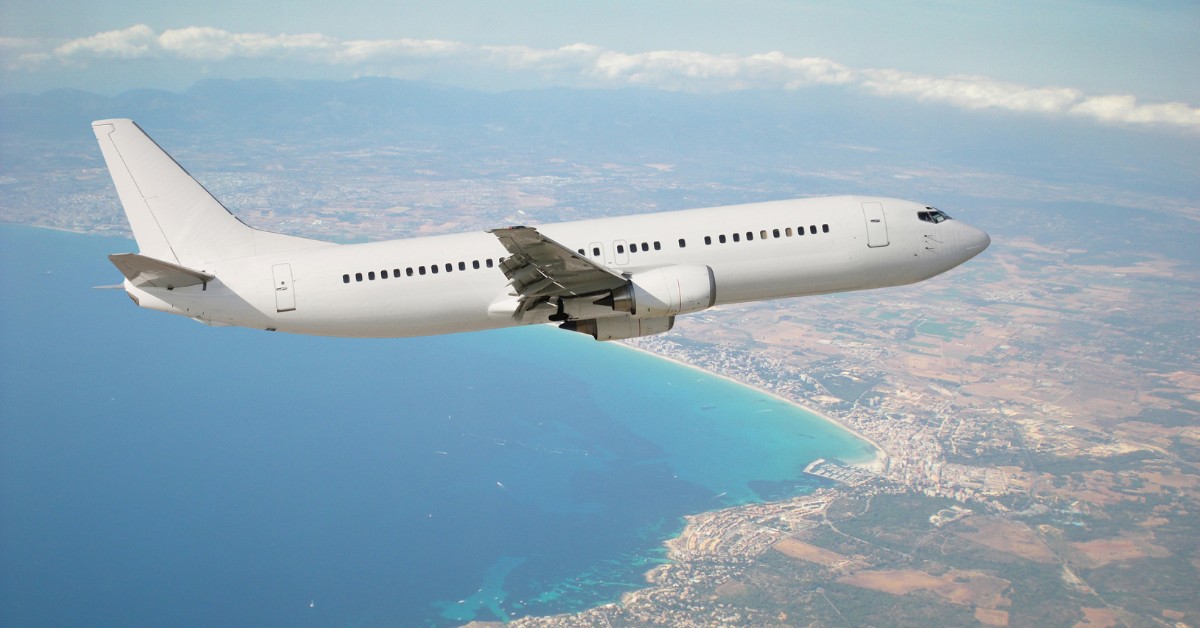
A sudden turn shortly after liftoff can feel jarring. If you’ve ever gripped your armrest during a sharp banking after takeoff, you’re not alone. It can feel like the plane is tilting too far or veering off course. But this maneuver, while intense to experience, is a routine and controlled part of flight operations. Understanding the ‘why’ and ‘how’ of it can ease that spike of anxiety. Let’s explore what’s behind those steep turns in the sky.
What Is Sharp Banking After Takeoff?
Sharp banking after takeoff refers to the aircraft making a noticeable turn—sometimes quickly—right after leaving the runway. You may feel one wing drop slightly and see the ground tilt through your window. This isn’t a cause for alarm. It’s a normal part of many departures, especially in areas with busy airspace or nearby terrain.
Planes turn shortly after takeoff to follow specific departure procedures set by air traffic control. These turns help separate traffic, avoid noise-sensitive areas, or route around obstacles. Though it may feel steep, these banks are well within the aircraft’s design and the pilots’ comfort zone.
What It Looks Like from the Cockpit
From the flight deck, a turn after takeoff is anticipated and pre-briefed. Pilots know the heading change in advance and begin it smoothly. The aircraft’s instruments guide them with precision. Even if the turn feels fast to you, pilots execute it gently according to aeronautical standards.
This is where training shines. Pilots spend countless hours practicing departures and turns to ensure they’re fluid and predictable. What feels dramatic to the passenger is often a mild maneuver to the crew.
Myth-Busting: It’s Not as Steep as It Seems
Your body exaggerates the sensation of movement, especially without a clear horizon. A standard turn ranges from 15 to 30 degrees of bank. That’s far from a ‘steep’ angle in aviation terms, where aircraft are tested for much higher angles they’ll never reach in normal flight.
It feels more extreme because your inner ear is adjusting to sudden motion. But the aircraft is always flying within safe, controlled limits. If the turn felt sharper than usual, there’s likely a procedural reason—like avoiding traffic or following air traffic control instructions.
Why It’s Actually a Sign of Safety
When a plane banks after takeoff, it means two good things: the aircraft has reached a safe altitude for the turn, and your pilots are actively managing the flight path with precision. Controlled banking is built into standard procedures. Nothing is improvised or risky.
Air traffic controllers are guiding every step, ensuring the plane turns where and when it should. What you’re experiencing is literally the system doing its job—safely and predictably.
From Nervous to Knowledgeable
It’s okay to notice these turns and feel unsettled. But now you know: sharp banking after takeoff isn’t a problem, it’s a plan. Planes must turn for safety, efficiency, and coordination with other air traffic. The sensation may feel exaggerated, but the mechanics behind it are fully controlled.
- Your discomfort doesn’t mean danger—it means unfamiliar motion.
- Pilots perform these turns smoothly and exactly as practiced.
- This maneuver is part of the safest phase of monitored flight—departure.
Final Thoughts: Flying Is a Coordinated Ballet
Every turn, every climb, every maneuver after takeoff is part of a symphony of safety and coordination between pilots, controllers, and the aircraft itself. Sharp banking after takeoff might surprise you—but it’s a sign that everything is working just as it should. Let that new knowledge anchor your calm the next time you feel the plane lean into a turn.
Knowledge is your co-pilot. You’ve got this!
Fearless Flight Club
