

Close Menu
Fearless Flight Club
    What's Hot

    How Far Can Airplane Wings Bend — And Why That’s a Good Thing

    September 10, 2025

    How Do Huge Airplanes Stay in the Air? Understanding the Magic Behind Massive Jets Like the A380

    September 10, 2025

    Why Don’t Planes Have Parachutes for Passengers?

    September 10, 2025
    Facebook X (Twitter) Instagram YouTube TikTok
    Facebook X (Twitter) Instagram YouTube TikTok
    Fearless Flight Club
    • Home
    • Your Flying Questions
      • Aircraft Systems
      • Aircraft Types & Myths
      • Emergencies
      • In-Flight Experience
      • Navigation & Safety Systems
      • Pilots & Crew
      • Takeoff & Landing
      • Weather & Environment
    • Get In Touch
    Subscribe
    Fearless Flight Club
    Home»Your Flying Questions»Aircraft Systems»Why Are Airplane Flaps Moving So Much During Flight?
    Aircraft Systems

    Why Are Airplane Flaps Moving So Much During Flight?

    Understand why airplane flaps moving in flight is a normal and essential part of flying safely.
    FearlessFlightClubBy FearlessFlightClubSeptember 10, 2025Updated:September 10, 2025No Comments3 Mins Read
    Share Facebook Twitter Pinterest LinkedIn Tumblr Reddit Telegram Email
    Share
    Facebook Twitter LinkedIn Pinterest Email

    A sudden flutter or shift at the edge of the wing can easily catch your eye—and trigger a wave of concern. You may find yourself wondering: Why are airplane flaps moving so much during flight? Does it mean something’s wrong? The good news is: those movements are not only normal, they’re essential. In fact, they’re a sign your aircraft is working exactly the way it’s supposed to.

    Let’s break it down.


    What’s Actually Happening When You See Airplane Flaps Moving

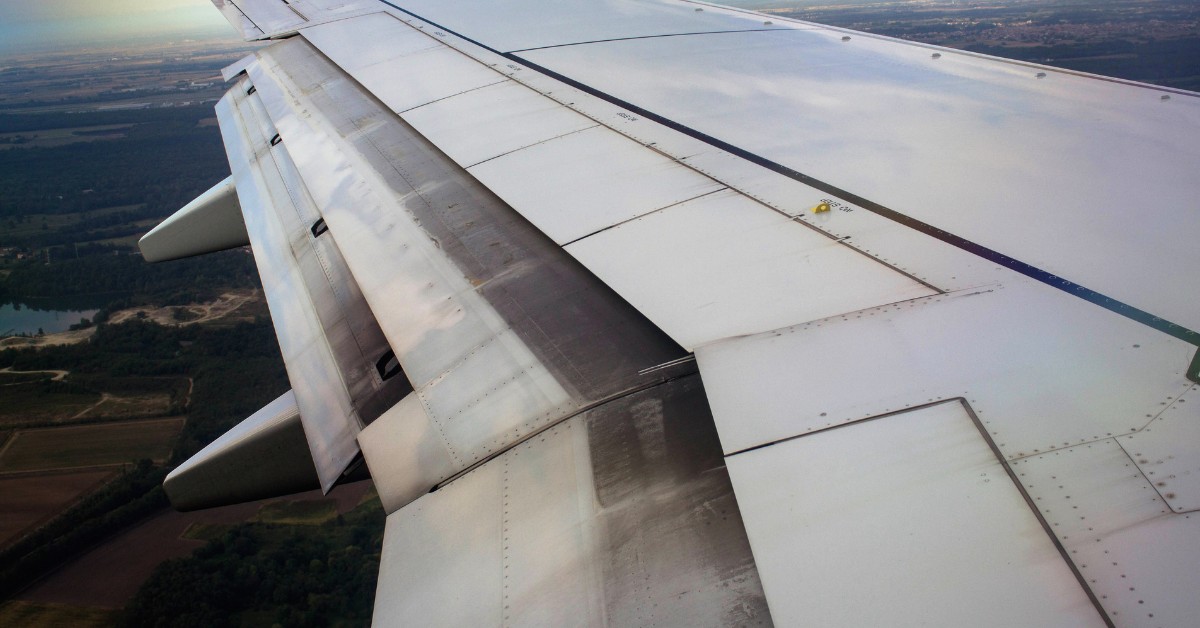
    Airplane flaps are hinged surfaces built into the trailing edge of the wings. They shift positions to help the aircraft manage lift and speed as conditions change. These movements happen routinely throughout different phases of the flight—takeoff, climb, cruise, descent, and landing.

    At takeoff and landing, flaps extend downward to help the plane generate more lift at lower speeds. This allows the aircraft to become airborne more quickly and land smoothly at slower speeds—all essential for safety. During cruise, they’re usually retracted, but small flap adjustments can still happen as the aircraft responds to subtle changes in airflow or turbulence.

    Think of flaps like adjustable wingsuits. When a plane ‘dresses’ for takeoff or landing, it changes the shape of its wings to perform better for the task. What looks like jittery motion is actually highly controlled and purposeful adaptation.


    Common Misconception: Movement Means Mechanical Trouble

    It’s understandable to feel uneasy when something on the plane appears to be shifting midair—especially out near the wings. But here’s the truth: flap movement is normal, and guided by engineering—not accident or error.

    Aircraft systems are designed to constantly fine-tune control surfaces, including flaps, to ensure optimal performance. These surfaces may move independently or in coordination with other parts of the wing without any warning signs or noises because they’re reacting to precise conditions, not problems.

    You’re not witnessing a malfunction. You’re watching physics and technology do their job.


    From the Flight Deck: What Pilots See

    Pilots understand flap settings as part of their standard operating procedures. Before every takeoff, they set the exact flap position needed for that flight. During descent and landing, they follow a checklist with specific speeds and altitudes to deploy flaps incrementally.

    Modern aircraft can also use flight control computers that adjust flaps and similar features automatically, keeping the plane stable despite wind changes or small atmospheric shifts. That means even while you’re cruising comfortably, the airplane might be fine-tuning surfaces you can see—silently and safely.


    Passenger Reassurance: Why This Motion Means Stability

    Seeing movement on the wings may feel chaotic, but it’s the opposite. It’s organized, planned, and intentional. Small adjustments mean the aircraft is adapting to keep things smooth and under control.

    Next time you notice airplane flaps moving, know that it’s a good thing: the plane is responding with precision so your ride can stay steady. No surprises. Only adjustments.

    • Flap movement is part of safe, standard procedures.
    • Automatic systems help keep the plane stable and efficient midair.
    • Pilots monitor and confirm every flap setting pre-flight and during descent.

    The more you understand, the less fear you feel. There’s a whole world of design behind those tiny motions on the wing—and now you’re in on the why.

    Knowledge is your co-pilot. You’ve got this!

    Fearless Flight Club
    aerodynamics aircraft design aviation safety fear of flying flaps slats wing movement
    Share. Facebook Twitter Pinterest LinkedIn Tumblr Email
    Previous ArticleWhy Does Plane Engine Noise Change During a Flight?
    Next Article What Happens If the Landing Gear Fails to Deploy?
    FearlessFlightClub
    • Website

    Related Posts

    Aircraft Systems

    How Far Can Airplane Wings Bend — And Why That’s a Good Thing

    September 10, 2025
    Aircraft Types & Myths

    How Do Huge Airplanes Stay in the Air? Understanding the Magic Behind Massive Jets Like the A380

    September 10, 2025
    Aircraft Types & Myths

    Why Don’t Planes Have Parachutes for Passengers?

    September 10, 2025
    Add A Comment
    Leave A Reply Cancel Reply

    Top Posts

    How Do Strong Winds Affect Takeoff and Landing?

    September 10, 2025218 Views

    Should I Be Worried About a Flight Delay for Mechanical Issues?

    September 10, 2025179 Views

    Why Do Flights Return to Gate After Boarding?

    September 10, 2025146 Views
    Stay In Touch
    • Facebook
    • YouTube
    • TikTok
    • Twitter
    • Instagram
    Latest Reviews

    Subscribe to Updates

    Get the latest tech news from FooBar about tech, design and biz.

    Most Popular

    How Do Strong Winds Affect Takeoff and Landing?

    September 10, 2025218 Views

    Should I Be Worried About a Flight Delay for Mechanical Issues?

    September 10, 2025179 Views

    Why Do Flights Return to Gate After Boarding?

    September 10, 2025146 Views
    Our Picks

    How Far Can Airplane Wings Bend — And Why That’s a Good Thing

    September 10, 2025

    How Do Huge Airplanes Stay in the Air? Understanding the Magic Behind Massive Jets Like the A380

    September 10, 2025

    Why Don’t Planes Have Parachutes for Passengers?

    September 10, 2025

    Subscribe to Updates

    Get the latest tips from Fearless Flight Club about flight safety, calm travel, and building confidence.

    Facebook X (Twitter) Instagram YouTube TikTok
    • Privacy Policy
    • Terms of Service
    © 2026 Fearless Flight Club. Designed by Fearless Flight Club.

    Type above and press Enter to search. Press Esc to cancel.