


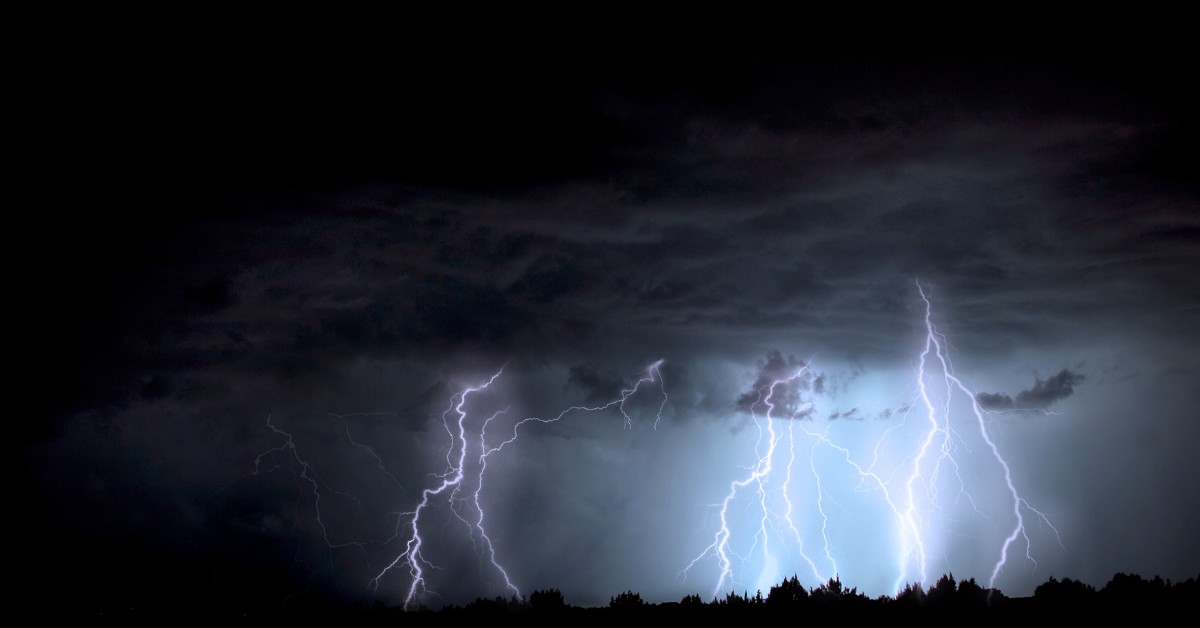
A plane flying through thunderstorm conditions can trigger intense fear—and that’s completely understandable. Lightning flashes, bumps, and the sound of rain hitting the fuselage can all combine to make it seem like something’s going wrong, even when it’s not. Your brain is wired to react to uncertainty in the sky. But what feels dangerous often isn’t as it seems.
You’re not alone in this fear. The good news is: modern aircraft are engineered to handle stormy skies far better than most people realize. Let’s take a closer look behind the scenes.
What Happens During a Plane Flying Through Thunderstorm?
First, it’s important to know that commercial planes do not intentionally fly through the heart of severe thunderstorms. With today’s radar systems, pilots can see storm cells far in advance and plan routes around them. However, sometimes avoiding all turbulence isn’t possible, and the outer edge of a storm might cause some shaking or flashes of lightning.
So what’s actually happening? As a plane nears a thunderstorm, it may encounter turbulent air—moving up, down, or sideways. This is unsettling for passengers but is well within the aircraft’s structural limits. Lightning might strike the plane, but commercial jets are designed to safely conduct that electricity along the skin of the fuselage and out through designated exit points.
You might feel a few jolts, hear unusual sounds, or see flashes. All of those reactions are expected and safe. They don’t signal danger for the aircraft—you’re still in good hands.
Myth-Busting Moment: Lightning Strikes and Loss of Control
One of the biggest misconceptions is that a lightning strike means an engine could catch fire or power could be lost. It’s a scary thought—but it’s not backed by how modern aircraft are built. Lightning strikes commercial planes about once a year on average. Yet thanks to aircraft design, no plane has crashed in decades due to lightning alone.
Planes are tested rigorously with controlled lightning exposure before they’re ever certified for flight. The wiring, fuel systems, and electronics all have safeguards. In most cases, neither the passengers nor the pilots even notice when lightning makes contact.
You’re more likely to spill a drink from turbulence than experience actual danger from a storm.
From the Flight Deck: How Pilots Manage Storms
Pilots don’t enter a thunderstorm blindly. They rely on multiple layers of support: weather radar in the cockpit, air traffic control coordination, and ongoing weather updates from dispatch teams. Their goal is to avoid the most severe parts of any storm system.
During training, pilots undergo simulated thunderstorm scenarios repeatedly. They practice adjusting altitude to avoid turbulence, rerouting flights around storm cells, and managing aircraft systems during weather events. Nothing is left to chance.
To a pilot, stormy weather is just another day at work—they’ve trained for this.
Flight crews are also watching passengers. If conditions are bumpy, they’ll limit cabin movement, pause drink service, and keep you informed. What feels like chaos in the back is coordinated confidence up front.
Passenger Perspective: How to Reframe the Fear
Fear doesn’t need to vanish for you to fly confidently—it just needs context. Consider this: the main discomfort in a plane flying through thunderstorm conditions isn’t danger—it’s unpredictability. When things shake or flash, your mind leaps to the worst-case scenario. But those sensations don’t mean the plane is at risk.
Here are some truths to hold onto:
- Commercial aircraft are built to take far more stress than even the roughest turbulence actually delivers.
- Pilots won’t fly into a storm’s core—they navigate around it, even if it means delays or detours.
- Lightning is mostly harmless to commercial jets—it’s anticipated, mitigated, and extremely rare to cause damage.
Your body might react with fear. That’s okay. Your understanding just needs to catch up.
Next time storm clouds appear, remember what you’ve learned here. You’re not powerless; you’re informed.
Knowledge is your co-pilot. You’ve got this!
Fearless Flight Club
