


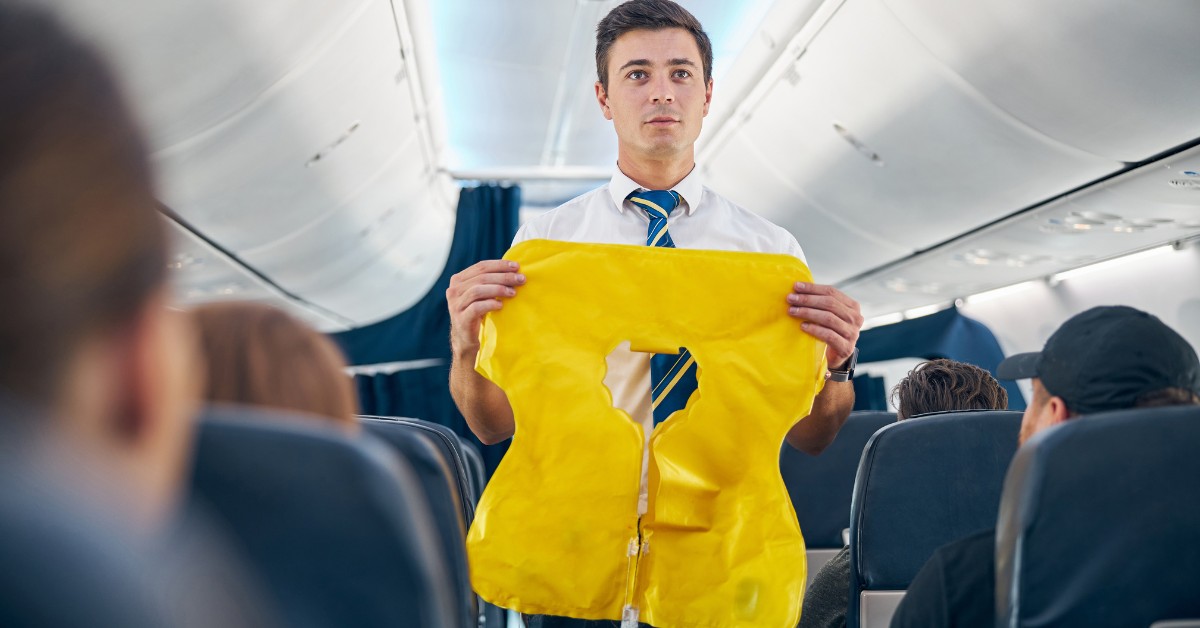
You’ve probably asked yourself during boarding: ‘Why do they repeat the same airplane safety briefing every time?’ When your nerves are already heightened, hearing those words yet again can feel unnecessary—or even make your fear spike. But there’s a critical reason behind airplane safety briefing repetition: it saves lives, builds consistency, and prepares you, even when you feel too nervous to listen. Understanding the purpose behind this repetition can turn frustration into confidence.
Let’s break it down.
What the Briefing Really Does
The airplane safety briefing isn’t just a checklist for the crew—it’s a carefully designed communication tool engineered to reach every passenger, including those who fly regularly or feel anxious. The goal isn’t novelty. It’s retention.
Airlines are required by law to deliver this information before every flight. But beyond regulations, repetition helps ensure that the safety message cuts through pre-flight distractions. The briefing tells you exactly what to do if something unexpected happens. And in a high-stress moment, repetition translates into fast recall.
When your brain is overwhelmed, familiarity is power.
Why Repeating It Matters—Even for Frequent Flyers
If you’ve flown dozens of times, the safety talk can seem repetitive or redundant. But consider this: no two cabins are exactly alike. Different aircraft have different layouts, door placements, and safety equipment positions.
Each briefing is tailored to that specific aircraft model. That means the nearest exit might not be where you think it is. Small details like this matter in emergencies. The repetition isn’t laziness—it’s active safety training.
Your safety routine shouldn’t rely on memory—it should rely on refreshers.
From the Flight Deck: What Pilots and Crew Know
Flight attendants aren’t just reading a script—they’re trained aviation professionals who follow international safety protocols with precision. They don’t skip the briefing because they trust the process.
Pilots and crew are briefed before every flight too. Even after thousands of hours in the sky, they revisit safety procedures regularly. For aviation professionals, repetition equals readiness.
If the experts never skip it, there’s a reason you shouldn’t either.
Common Myth: It’s Only for Nervous Flyers or First-Timers
A common misconception is that the safety demo is just for new or anxious passengers. In truth, it’s for everyone on board—no matter how experienced. In emergencies, stress can dull your memory. Repetition keeps the essential actions close to the surface.
It’s not about intelligence. It’s about instinct. The goal is to help every passenger access their training when it counts—without hesitation.
In aviation, predictability is a safety strategy, not a shortcut.
Reframing Repetition as Reassurance
Instead of seeing the airplane safety briefing repetition as a boring formality, try seeing it as a moment of clarity. Even if you’re nervous, remind yourself that you’re receiving lifesaving knowledge. The airline isn’t just going through the motions—they’re taking care of you.
When something becomes familiar, it also becomes less frightening. The more you hear the sound of the safety demo, the more normalized it becomes. Over time, familiar things feel safer—because they are.
Knowledge is your co-pilot. You’ve got this!
Fearless Flight Club
