


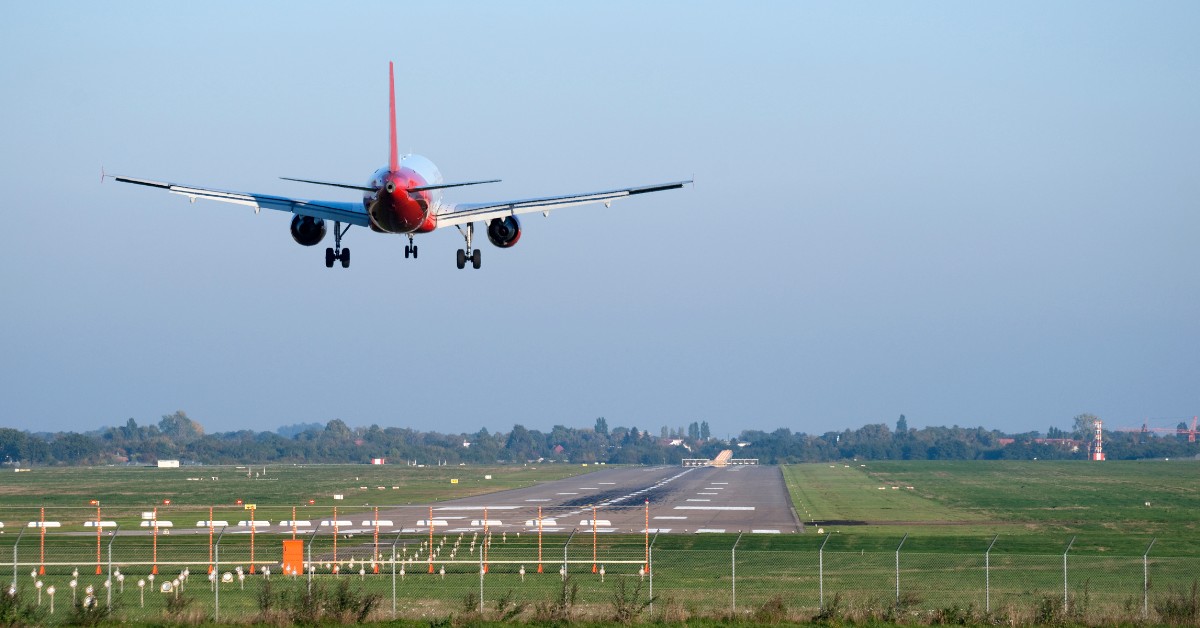
A sudden surge in engine noise as you descend can be startling. You might feel the plane speeding up before landing and wonder: is something off? Is the pilot changing course? Is this normal? If you’ve felt this before, you’re not alone—and you’re not imagining it. That sensation of acceleration is a common concern among anxious flyers. But here’s the truth: while it may feel like acceleration, what’s actually happening is a controlled, safe part of the landing process.
Let’s break it down.
Perception vs. Reality: Why It Feels Faster
Your senses are amplified during landing because you’re anticipating the ground—and focusing on every sound and motion. When you hear the engines increase their hum just before touchdown, your mind links that to acceleration. But aircraft are already flying at landing speed, and that engine noise is often just a change in thrust—not a speed boost.
Landing speeds vary depending on aircraft type, weight, and weather—but they are calculated and controlled down to the knot. What feels like an increase is often a perfectly normal adjustment to maintain safe descent rates and approach angles. It’s not sudden at all from the cockpit—it just feels that way from the cabin.
What’s Really Happening on Approach
When descending, pilots often reduce engine thrust to idle or near-idle. This creates a smooth, quiet glide. But right before landing—usually within a few hundred feet of the ground—they may add a small amount of power. This is called a ‘power addition’ and helps stabilize the approach, especially in windy or gusty conditions. It ensures the plane stays on the correct glide path.
Also, during final descent, the aircraft angles slightly nose-up to prepare for touchdown. This attitude, combined with increased ground visibility, can trick your brain into perceiving speed. In reality, speed is gently decreasing as the landing gears extend and flaps are fully deployed to increase drag and control.
Myth-Busting Moment: Is the Plane Accelerating?
No—it’s not accelerating before landing. In fact, most aircraft slow down as they approach the runway. The engines may sound louder, but that’s a necessary and safe adjustment to control the descent and counteract any air currents. Remember: noise doesn’t equal speed.
The sensation of sudden speed has more to do with proximity to the ground and sight cues than any actual increase in velocity. It’s a good example of how your senses can send false alarms when they don’t understand what you’re experiencing.
From the Flight Deck: Pilots and Precision
Pilots monitor airspeed constantly, especially during descent. Every foot of altitude and every knot of speed is tracked and managed. Modern jets use advanced systems like ILS (Instrument Landing System) and autothrust to keep the aircraft on target. If the plane drifts slightly above or below the ideal path, a small engine thrust correction brings it back—not to speed up, but to stay safe and stable.
‘We’re not pushing the gas—we’re fine-tuning precision.’ Every adjustment is deliberate and focused on ensuring a soft, accurate touchdown.
Reframing the Fear: What You Can Know
Understanding what’s really going on helps reframe how you interpret the descent. That louder engine sound is a sign of stability, not trouble. It means the pilots are proactively adjusting for the safest possible landing. The ‘rush’ you feel is a sensory effect—not an emergency, not a mistake, not acceleration.
A couple of key truths to hold on to:
- The engines get louder to manage descent, not increase speed.
- The landing gear and flaps increase drag and slow the aircraft.
- Approach speeds are carefully managed and slower than cruise speed.
The next time you hear that hum rise or feel a swoop on final approach, remember: it’s all part of a safe, practiced routine.
Knowledge is your co-pilot. You’ve got this!
Fearless Flight Club
