


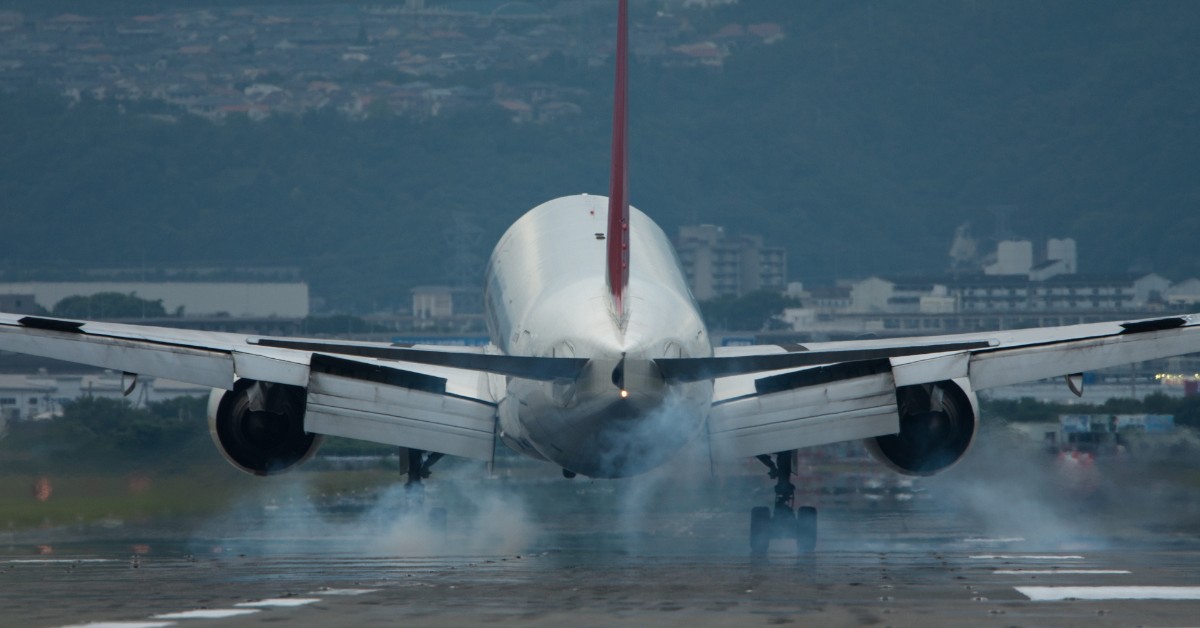
A hard airplane landing can feel jarring — a sudden thud, the cabin jolts, maybe a bounce — and your instinct might be to worry. Did something go wrong? Was the pilot distracted? Is this normal? These are real, common fears. But here’s a crucial truth: many hard landings are intentional, safe, and even the best outcome for certain conditions. Instead of signaling danger, a hard landing often reflects sound judgment by the flight crew.
Let’s break it down.
What Is a Hard Airplane Landing?
In aviation, a ‘hard landing’ refers to a touchdown that feels firmer than usual. It’s not necessarily unsafe. Every aircraft has landing tolerances — specific limits for vertical speed and force — and pilots are trained to stay within them. What feels hard to you inside the cabin may still be well within those safe parameters.
Hard landings can occur during routine operations due to runway length, wind conditions, weather, or the plane’s weight. Sometimes, they are the right tool for the job.
Why Do Hard Landings Happen?
There are several common and controlled reasons a pilot may perform a hard airplane landing:
- Short runway: Firm touchdowns help ensure the aircraft stops safely within limited space.
- Wet or slippery conditions: A quick grip on the ground provides better braking control.
- Crosswinds: A stronger touchdown helps stabilize the aircraft through lateral movement.
- Aircraft weight: Heavier aircraft may require a firmer landing to settle safely.
In many of these cases, a soft landing actually increases risk — causing the plane to float or land too far down the runway.
Myth-Busting Moment
It’s a common misconception that all landings should be feather-light. While smooth touchdowns are ideal in calm conditions, they’re not always safest. For example, when the runway is wet or short, pilots want a firm touch to activate anti-skid brakes efficiently and prevent hydroplaning. A soft landing is not worth the sacrifice in safety or control.
Firmer doesn’t mean flawed. Often, it means smart and safe.
From the Flight Deck
Ask any pilot: landing is both science and skill. Before every descent, the crew evaluates runway length, wind direction, surface conditions, and aircraft weight to plan the most effective — and safest — touchdown. If that means a hard airplane landing, it’s done deliberately.
Pilots are trained in simulators to handle all types of landings, including firm ones. They know their aircraft’s limits intimately. A hard landing within those limits is still completely normal and safe. In fact, manufacturers test planes at far more extreme levels to ensure they can handle real-world operations with ease.
Pilots don’t guess. They calculate, choose, and execute with precision.
Passenger Reassurance
If your plane lands with a thud, that’s not cause for panic — it’s often a sign of the flight crew doing their job well. The aircraft’s landing gear is built to handle repeated firm landings. It’s engineered for strength, not softness.
The noise or bounce you experience is often exaggerated by the sudden contrast to a quiet, smooth flight. It’s more about perception than actual risk.
Just because it feels hard doesn’t mean it’s unsafe. Your seat jiggles — the aircraft doesn’t flinch.
When you understand the reasons behind a hard airplane landing, what once felt alarming can begin to feel like clarity. It’s the shift from fear to awareness. And that’s where confidence takes root.
Knowledge is your co-pilot. You’ve got this!
Fearless Flight Club
