


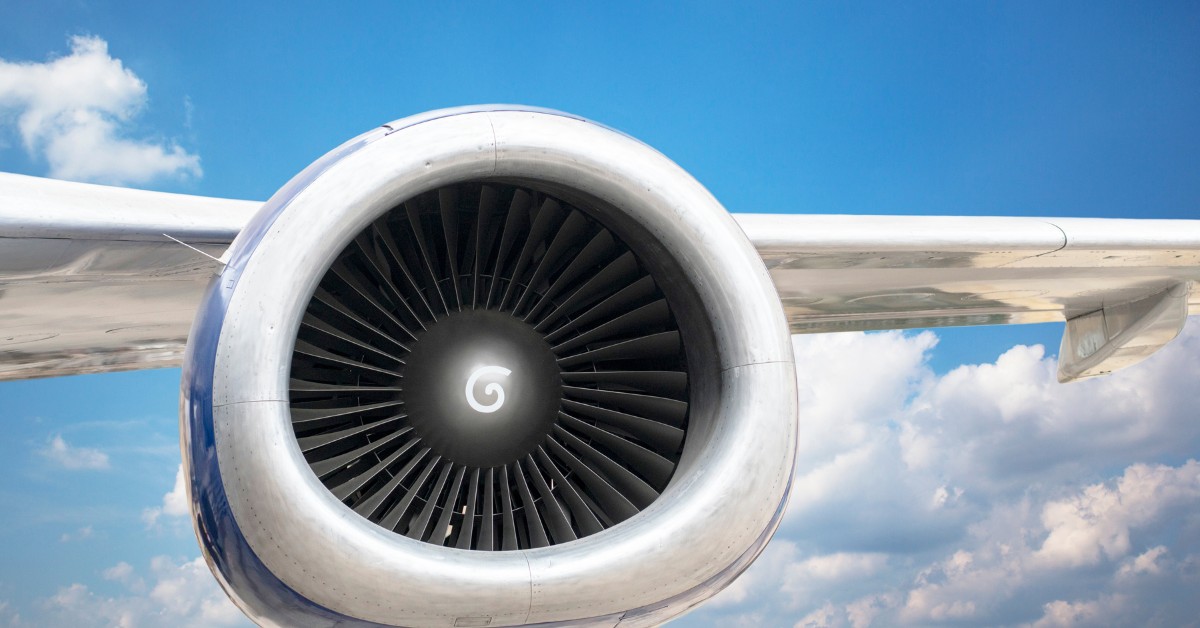
A sudden silence or change in engine noise mid-flight can trigger instant fear. If you’ve ever wondered, can a plane fly with one engine, you’re not alone — and your concern is understandable. The idea of an engine failure sparks images of plummeting planes and emergency landings. But in reality, modern aircraft are designed, tested, and certified to continue flying safely with just one engine. Understanding this fact can shift fear into trust.
So, what does that really mean?
What Actually Happens When an Engine Fails
Let’s begin with the basics: most commercial passenger planes have two engines. What many people don’t realize is that they are specifically built to operate even if one engine fails. It’s not just possible — it’s expected and planned for during design and testing.
Aircraft are certified under strict aviation standards that require them to demonstrate safe flight on just one engine. This includes takeoff, cruising, and landing.
When one engine stops working, the plane doesn’t suddenly become powerless. The other engine continues to provide thrust, and onboard systems switch to backup modes. The plane continues flying — without drama, without panic.
Can a Plane Fly With One Engine? Absolutely — And Here’s Why
Here’s a surprising truth: planes must prove they can fly with one engine before they ever carry passengers. Regulations known as ETOPS (Extended-range Twin-engine Operational Performance Standards) govern long-distance flights and require airlines to use aircraft that can fly for hours on one engine.
That Boeing 777 you’re on, for example? It’s approved to fly upwards of 180–330 minutes—over three to five hours—on a single engine. It’s routine, not a backup plan.
Flight computers, hydraulics, and navigation systems are built with redundancy, meaning they don’t rely on just one source of power or control. One engine going offline is not an emergency — it’s an alternate scenario the aircraft is fully ready for.
Myth-Busting: Engine Failure Doesn’t Mean Freefall
This is one of the most harmful misconceptions: that engine failure = falling out of the sky. In truth, a plane doesn’t suddenly lose lift or glide capability.
Let’s use an analogy. Think of a plane’s engines as someone gently pushing you on a bicycle. If one person stops pushing, you won’t topple — you’ll slow a bit, but the physics of forward motion and balance remain. The aircraft still flies using air flowing over the wings, sustained by altitude and speed.
Planes are also capable of gliding long distances without any engine power, although that’s rarely necessary. With one engine still running, you’re not gliding — you’re flying.
From the Flight Deck: What Pilots Are Trained to Do
Pilots don’t just learn about one-engine scenarios — they train for them repeatedly. In full-motion simulators, pilots rehearse engine failures during takeoff, in mid-air, during descent — and always practice precise protocols for handling it calmly and safely.
There’s no guesswork. If an engine fails, pilots follow immediate, rehearsed checklists. They assess, communicate with air traffic control, and usually divert to the nearest suitable airport — not because it’s dangerous, but because of airline safety procedures.
‘A twin-engine jet flying on one engine flies differently — not dangerously.’
Passenger Reassurance: Facts to Keep in Mind
- Aircraft are built to fly and land with one engine.
- Pilots train routinely for one-engine operations in simulators.
- Modern airliners have backup systems that engage seamlessly if one engine fails.
- You’re not alone — commercial aircraft have landed safely on one engine hundreds of times around the world.
This isn’t rare or experimental. It’s a well-rehearsed, engineered possibility. The fact that an aircraft keeps flying safely with one engine is a testament to its design strength.
So yes — the answer to can a plane fly with one engine isn’t just ‘yes’, it’s: absolutely, confidently, and safely.
Knowledge is your co-pilot. You’ve got this!
Fearless Flight Club
