

Close Menu
Fearless Flight Club
    What's Hot

    How Far Can Airplane Wings Bend — And Why That’s a Good Thing

    September 10, 2025

    How Do Huge Airplanes Stay in the Air? Understanding the Magic Behind Massive Jets Like the A380

    September 10, 2025

    Why Don’t Planes Have Parachutes for Passengers?

    September 10, 2025
    Facebook X (Twitter) Instagram YouTube TikTok
    Facebook X (Twitter) Instagram YouTube TikTok
    Fearless Flight Club
    • Home
    • Your Flying Questions
      • Aircraft Systems
      • Aircraft Types & Myths
      • Emergencies
      • In-Flight Experience
      • Navigation & Safety Systems
      • Pilots & Crew
      • Takeoff & Landing
      • Weather & Environment
    • Get In Touch
    Subscribe
    Fearless Flight Club
    Home»Your Flying Questions»In-Flight Experience»Why Is There Mist in the Airplane? Understanding the Fog from Cabin Vents
    In-Flight Experience

    Why Is There Mist in the Airplane? Understanding the Fog from Cabin Vents

    Learn why mist in airplane cabins is safe and normal—it's just cooled air, not smoke or danger.
    FearlessFlightClubBy FearlessFlightClubSeptember 9, 2025Updated:September 10, 2025No Comments3 Mins Read
    Share Facebook Twitter Pinterest LinkedIn Tumblr Reddit Telegram Email
    Share
    Facebook Twitter LinkedIn Pinterest Email

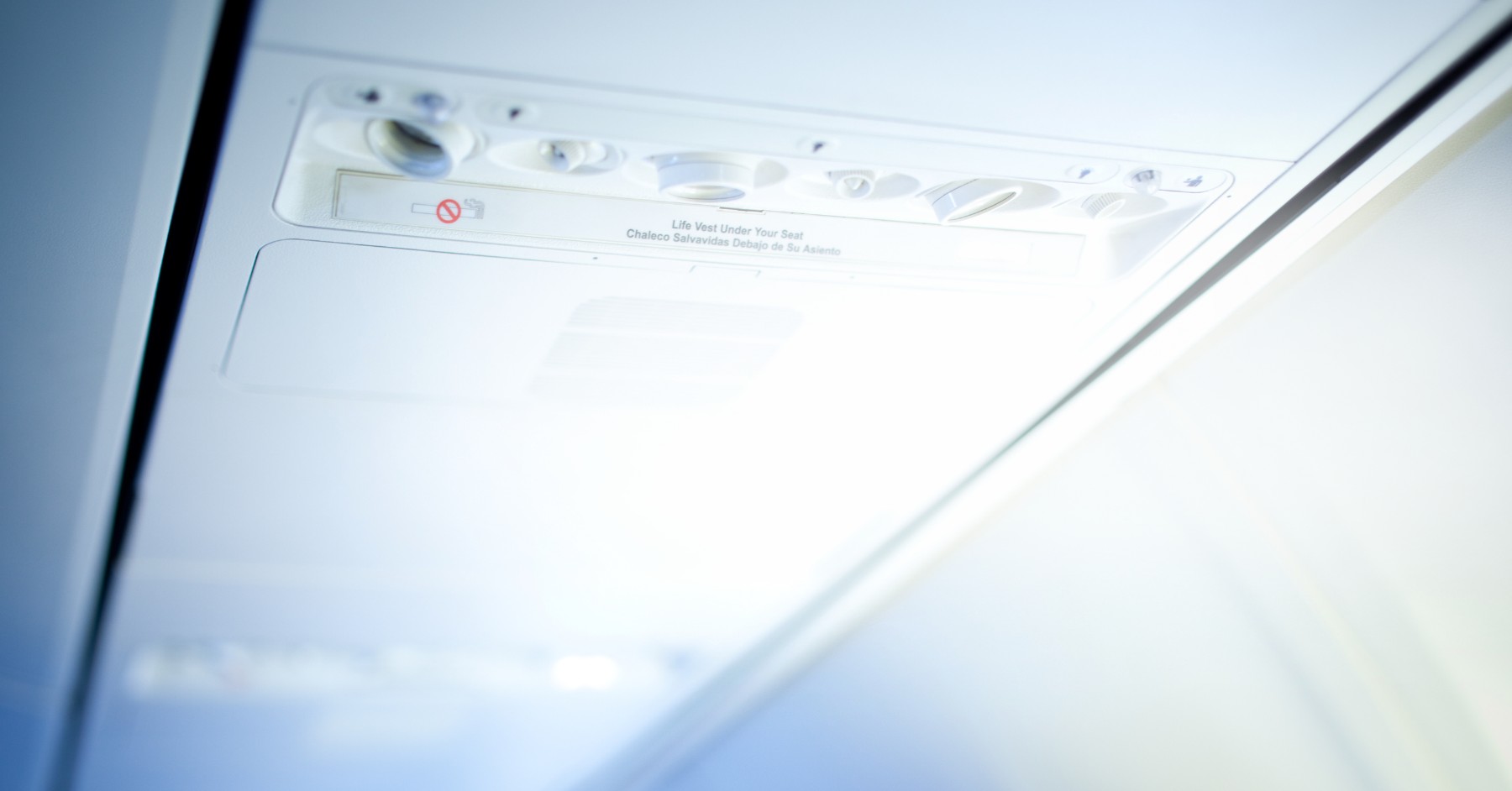
    A sudden cloud of fog pouring from the plane’s ceiling vents can trigger panic — especially if you don’t know what it is. The mist in airplane cabins often appears during boarding or just before takeoff, and it can look unsettling. Many passengers mistake it for smoke or a sign that something is wrong. But here’s the truth: this mist is completely normal, harmless, and expected.

    It’s not a warning — it’s a byproduct of how aircraft control cabin temperature and humidity. Understanding this can ease unnecessary fear. Let’s break it down.


    What Causes Mist in an Airplane Cabin?

    That visible fog you see drifting from overhead vents is simply condensed water vapor. It forms as part of the aircraft’s air conditioning system. Modern airplanes pull in fresh air from the engines — called ‘bleed air’ — and cool it before circulating it through the cabin. When warm, humid air inside the plane meets this chilled air, some of the moisture in the air condenses into tiny droplets.

    This is very similar to what happens when you breathe out on a cold day — your warm breath hits cool air, and a vapor cloud appears. The same science applies up here at 35,000 feet. Onboard, this condensation appears in the form of a gentle mist flowing from the vents.


    Myth-Busting: Is It Smoke or a Fire Risk?

    This is a common misconception among nervous flyers. Seeing mist in an enclosed space naturally raises concerns. But this is not smoke, and it has nothing to do with fire or malfunctions.

    Smoke smells different. It lingers, often sets off alarms, and creates an unhealthy environment. The mist in airplane cabins is odorless, cool to the touch, and dissipates quickly. Pilots have strict protocols for smoke or fire — and rest assured, they’d never continue normal procedures if those risks were present.

    Mist is not a warning sign — it’s a weather event inside the plane.


    From the Flight Deck: How Crews Handle It

    Pilots and flight attendants are fully aware of the mist phenomenon. In fact, it shows the climate control system is working properly. The cabin air you’re breathing is being cooled, filtered, and refreshed.

    Many crews will even announce it if they expect a dense fog — especially on humid days or in tropical climates. They’re trained to monitor any changes, but mist alone is not cause for concern. It’s expected and safe.

    Want more peace of mind? Aircraft engineers design these systems with precision. The mist is a controlled and ordinary result of effective air circulation.


    Passenger Reassurance: What You Need to Know

    When you understand that the mist in airplane cabins is just condensation, not a hazard, you take away its power to scare you.

    • You are not breathing smoke. That fine vapor is clean and safe — part of an air system that refreshes constantly throughout your flight.
    • Your flight isn’t malfunctioning. If anything, that mist is proof that things are functioning as they should.
    • Many planes produce this mist. It’s more noticeable in certain weather or boarding conditions — especially humid days or early morning flights.

    The next time you see fog curling from the vents, try thinking of it as a sign of system efficiency, not something to fear. Knowledge untangles anxiety. And now, you know exactly what it is.

    This isn’t danger — it’s science at work.

    Knowledge is your co-pilot. You’ve got this!

    Fearless Flight Club

    air conditioning aviation safety cabin experience cabin mist fear of flying fog ventilation
    Share. Facebook Twitter Pinterest LinkedIn Tumblr Email
    Next Article What Happens During a Lightning Strike on a Plane?
    FearlessFlightClub
    • Website

    Related Posts

    Aircraft Systems

    How Far Can Airplane Wings Bend — And Why That’s a Good Thing

    September 10, 2025
    Aircraft Types & Myths

    How Do Huge Airplanes Stay in the Air? Understanding the Magic Behind Massive Jets Like the A380

    September 10, 2025
    Aircraft Types & Myths

    Why Don’t Planes Have Parachutes for Passengers?

    September 10, 2025
    Add A Comment
    Leave A Reply Cancel Reply

    Top Posts

    How Do Strong Winds Affect Takeoff and Landing?

    September 10, 2025217 Views

    Should I Be Worried About a Flight Delay for Mechanical Issues?

    September 10, 2025175 Views

    Why Do Flights Return to Gate After Boarding?

    September 10, 2025146 Views
    Stay In Touch
    • Facebook
    • YouTube
    • TikTok
    • Twitter
    • Instagram
    Latest Reviews

    Subscribe to Updates

    Get the latest tech news from FooBar about tech, design and biz.

    Most Popular

    How Do Strong Winds Affect Takeoff and Landing?

    September 10, 2025217 Views

    Should I Be Worried About a Flight Delay for Mechanical Issues?

    September 10, 2025175 Views

    Why Do Flights Return to Gate After Boarding?

    September 10, 2025146 Views
    Our Picks

    How Far Can Airplane Wings Bend — And Why That’s a Good Thing

    September 10, 2025

    How Do Huge Airplanes Stay in the Air? Understanding the Magic Behind Massive Jets Like the A380

    September 10, 2025

    Why Don’t Planes Have Parachutes for Passengers?

    September 10, 2025

    Subscribe to Updates

    Get the latest tips from Fearless Flight Club about flight safety, calm travel, and building confidence.

    Facebook X (Twitter) Instagram YouTube TikTok
    • Privacy Policy
    • Terms of Service
    © 2026 Fearless Flight Club. Designed by Fearless Flight Club.

    Type above and press Enter to search. Press Esc to cancel.