

Close Menu
Fearless Flight Club
    What's Hot

    How Far Can Airplane Wings Bend — And Why That’s a Good Thing

    September 10, 2025

    How Do Huge Airplanes Stay in the Air? Understanding the Magic Behind Massive Jets Like the A380

    September 10, 2025

    Why Don’t Planes Have Parachutes for Passengers?

    September 10, 2025
    Facebook X (Twitter) Instagram YouTube TikTok
    Facebook X (Twitter) Instagram YouTube TikTok
    Fearless Flight Club
    • Home
    • Your Flying Questions
      • Aircraft Systems
      • Aircraft Types & Myths
      • Emergencies
      • In-Flight Experience
      • Navigation & Safety Systems
      • Pilots & Crew
      • Takeoff & Landing
      • Weather & Environment
    • Get In Touch
    Subscribe
    Fearless Flight Club
    Home»Your Flying Questions»Emergencies»Can Planes Glide Without Engines? What Really Happens If All Engines Fail
    Emergencies

    Can Planes Glide Without Engines? What Really Happens If All Engines Fail

    Learn how pilots manage rare engine failures and how planes can glide without engines to safe landings.
    FearlessFlightClubBy FearlessFlightClubSeptember 9, 2025Updated:September 10, 2025No Comments4 Mins Read
    Share Facebook Twitter Pinterest LinkedIn Tumblr Reddit Telegram Email
    Share
    Facebook Twitter LinkedIn Pinterest Email

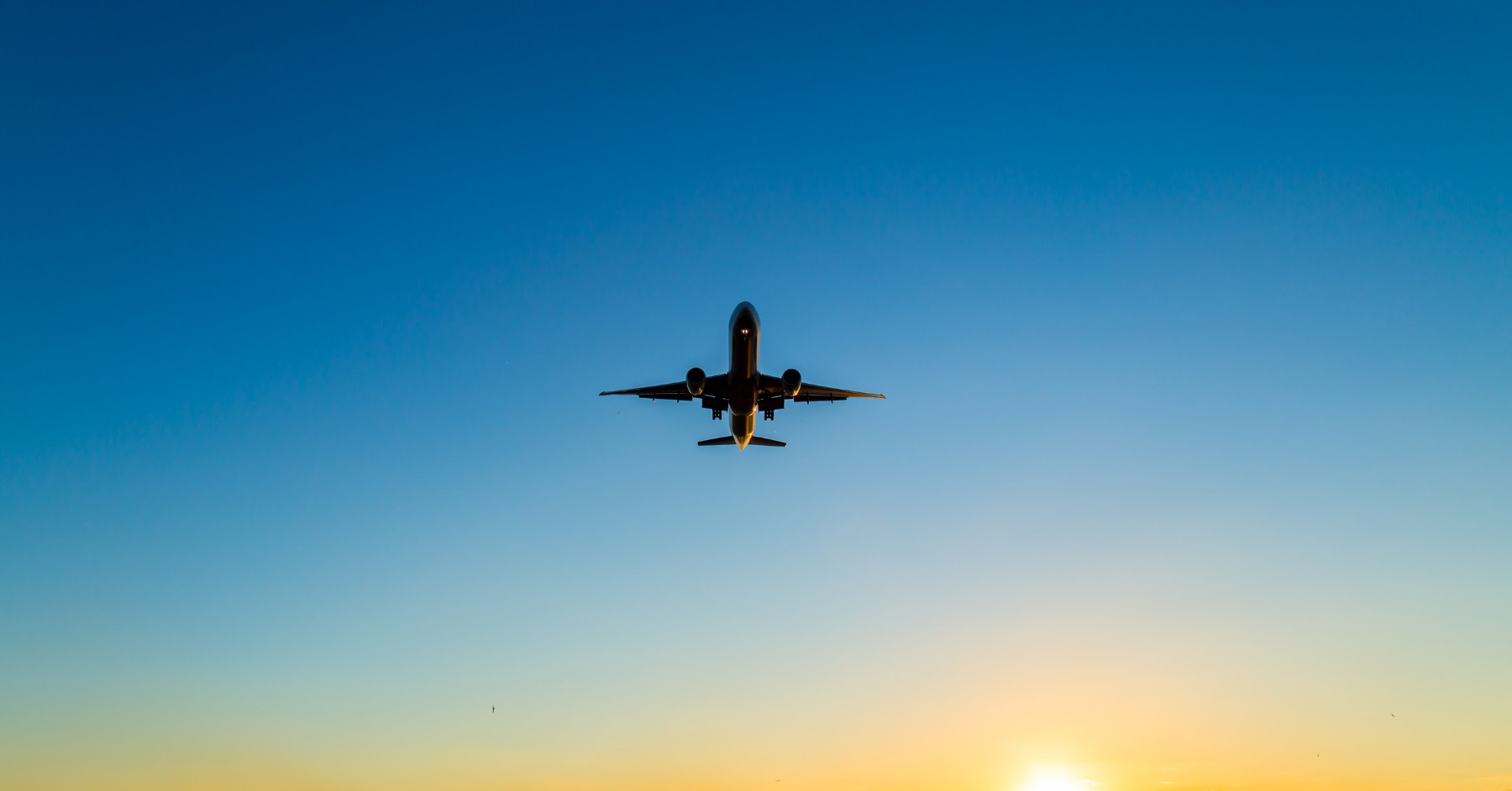
    A sudden silence from an airplane engine is one of the most feared scenarios by nervous flyers. The question creeps up: can planes glide without engines? It’s a chilling thought—but also one deeply rooted in misunderstanding. The truth is, modern aircraft are designed not just to fly, but to keep flying safely even without engine power. While a total loss of thrust is extremely rare, knowing what really happens in this situation can shift fear into calm awareness. Let’s break it down.


    Understanding Engine Loss and Gliding Distance

    It may surprise you, but airplanes are aerodynamic machines built to glide, with or without engine power. Can planes glide without engines? Yes—they absolutely can. In fact, even large commercial aircraft like the Boeing 777 or Airbus A320 have impressive glide capabilities.

    Picture a paper airplane. Even after you stop throwing it—no more ‘engine power’—it keeps floating forward. Airplanes work on the same principle, using forward momentum and lift from their wing shape. Altitude gives them energy—like being at the top of a hill with a bicycle. If the engines stop, the plane doesn’t drop—it descends gradually, guided by the pilot.

    As a general rule, commercial airplanes can glide around 1.5 miles forward for every 1,000 feet of altitude. So at 35,000 feet, a plane could glide more than 50 miles. That’s a lot of distance and time for pilots to act.


    From the Flight Deck: Pilot Training and Calm Decision-Making

    Pilots train extensively for engine failure scenarios—much more than most people realize. These aren’t unpredictable emergencies for them; they’re practiced procedures. Full-engine failure, partial loss, or single-engine operation are covered in simulators where pilots rehearse worst-case scenarios until their responses become instinctual.

    Here’s the professional mindset: if all engines fail, pilots instantly switch from cruising to gliding mode. This is a controlled descent, not a free fall. They communicate with air traffic control, begin planning a safe landing site—whether it’s an airport, a runway, or in rare cases, an open field or body of water.

    The now-famous example of the ‘Miracle on the Hudson’ in 2009 is proof of this. Captain Chesley Sullenberger safely glided a dual-engine-out Airbus A320 to a water landing with zero passenger fatalities. Skill, calm thinking, and the aircraft’s aerodynamic design made that outcome possible.


    Myth-Busting: No Engines Does Not Equal Crash

    Let’s challenge a common myth: ‘If the engines quit, the plane crashes.’ This simply isn’t true. Engine failure is not synonymous with disaster. In reality, commercial pilots have successfully glided planes to safety multiple times around the world.

    Another myth is that planes need engines to maintain altitude. That’s partially true, but incomplete. Engines provide thrust—yes—but altitude buys time. Imagine it like coasting downhill in a car: your engine may be off, but you’re still in control as long as you steer.

    So when someone asks, ‘can planes glide without engines?’, the scientifically sound answer is: yes, safely and predictably.


    Passenger Reassurance: What It Means For You

    Now that you know how planes glide, let’s bring it back to you, the passenger. The idea of engine failure triggers fear because it feels like the end of control—but it’s really the beginning of a well-rehearsed plan. For pilots, it’s like switching gears—move into glide phase, calculate options, guide the aircraft safely ahead.

    You won’t even feel a dramatic sensation during gliding. The descent is smooth and purposeful. There’s no violent shaking, no sudden drop—just a gentle forward-and-downward glide similar to what happens during regular landings.

    Every commercial jet is certified with strict safety standards, which include how it handles emergencies. And pilots don’t just memorize steps—they live and breathe these protocols.


    Quick Takeaways to Remember

    • Planes don’t fall—they glide. Even without engines, aircraft stay fully controllable.
    • Pilots train extensively for engine-out scenarios. It’s all mapped out before you even board.
    • Altitude is safety. It creates time, distance, and choices in unexpected situations.

    Knowledge is your co-pilot. You’ve got this!

    Fearless Flight Club
    aviation safety emergencies engine failure fear of flying glide redundancy systems
    Share. Facebook Twitter Pinterest LinkedIn Tumblr Email
    Previous ArticleAre Night Flights Safe? How Pilots Navigate the Skies After Dark
    Next Article What Causes That Burning Smell After Takeoff?
    FearlessFlightClub
    • Website

    Related Posts

    Aircraft Systems

    How Far Can Airplane Wings Bend — And Why That’s a Good Thing

    September 10, 2025
    Aircraft Types & Myths

    How Do Huge Airplanes Stay in the Air? Understanding the Magic Behind Massive Jets Like the A380

    September 10, 2025
    Aircraft Types & Myths

    Why Don’t Planes Have Parachutes for Passengers?

    September 10, 2025
    Add A Comment
    Leave A Reply Cancel Reply

    Top Posts

    How Do Strong Winds Affect Takeoff and Landing?

    September 10, 2025218 Views

    Should I Be Worried About a Flight Delay for Mechanical Issues?

    September 10, 2025179 Views

    Why Do Flights Return to Gate After Boarding?

    September 10, 2025147 Views
    Stay In Touch
    • Facebook
    • YouTube
    • TikTok
    • Twitter
    • Instagram
    Latest Reviews

    Subscribe to Updates

    Get the latest tech news from FooBar about tech, design and biz.

    Most Popular

    How Do Strong Winds Affect Takeoff and Landing?

    September 10, 2025218 Views

    Should I Be Worried About a Flight Delay for Mechanical Issues?

    September 10, 2025179 Views

    Why Do Flights Return to Gate After Boarding?

    September 10, 2025147 Views
    Our Picks

    How Far Can Airplane Wings Bend — And Why That’s a Good Thing

    September 10, 2025

    How Do Huge Airplanes Stay in the Air? Understanding the Magic Behind Massive Jets Like the A380

    September 10, 2025

    Why Don’t Planes Have Parachutes for Passengers?

    September 10, 2025

    Subscribe to Updates

    Get the latest tips from Fearless Flight Club about flight safety, calm travel, and building confidence.

    Facebook X (Twitter) Instagram YouTube TikTok
    • Privacy Policy
    • Terms of Service
    © 2026 Fearless Flight Club. Designed by Fearless Flight Club.

    Type above and press Enter to search. Press Esc to cancel.