


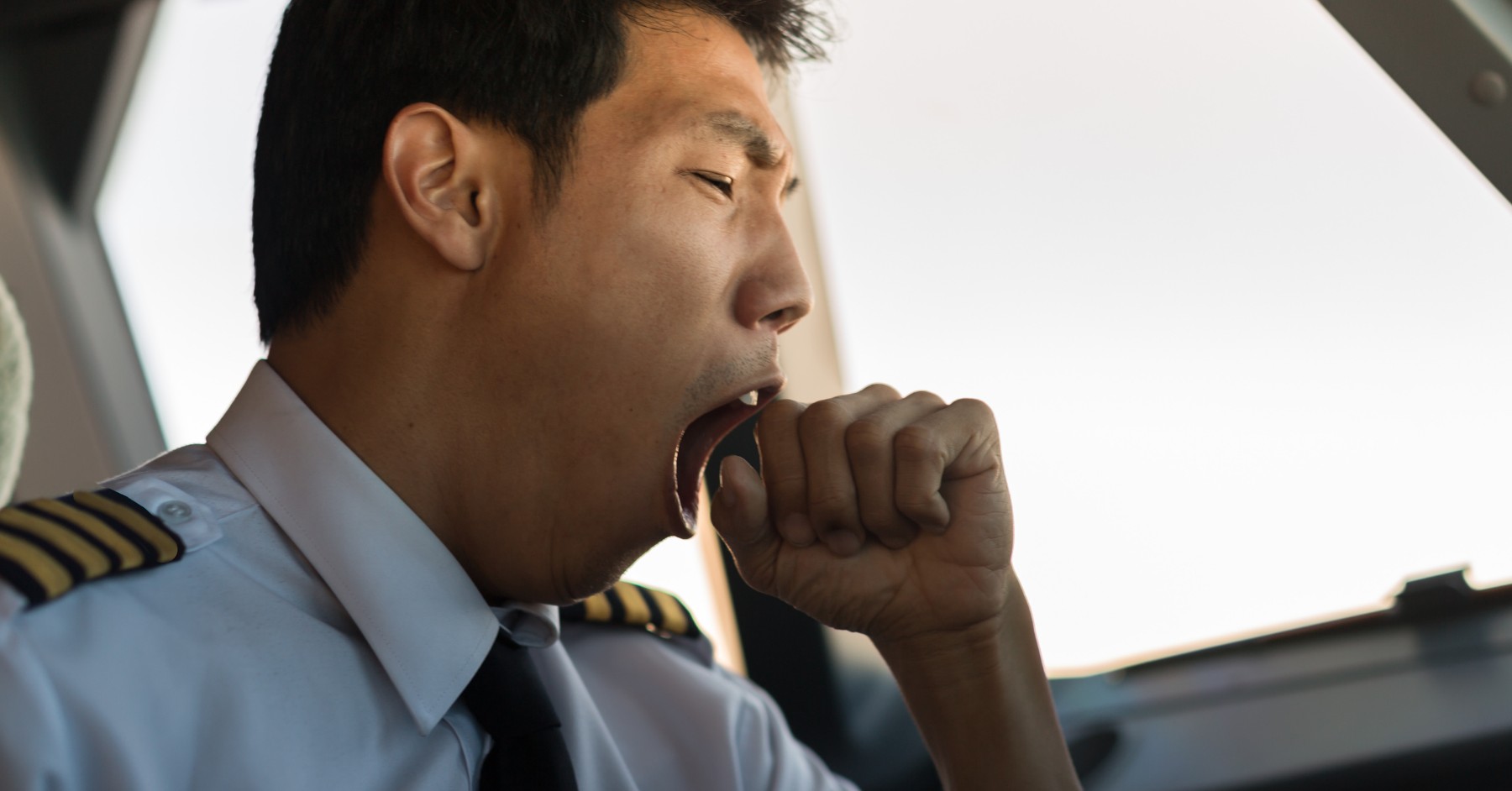
Worried about pilot fatigue on long-haul flights? You’re not alone. The question of how do pilots stay awake is a common concern for nervous flyers, especially during overnight international routes. After all, trusting someone to fly a 200-ton aircraft for ten hours or more sounds intense. You might wonder: What if they nod off? Who’s watching the controls when they’re tired?
The fear is understandable — but it’s also one that aviation safety protocols are specifically built to address. Let’s break it down.
What Really Happens on Long Flights
Pilots don’t just muscle through hours of flying without rest. In fact, aviation regulations worldwide mandate specific crew rest requirements for long-haul operations. Here’s the key difference: For flights over a certain length — usually 8 to 12 hours — multiple pilots are assigned to each flight.
This is known as an augmented crew. Instead of two, you’ll often have three or even four pilots on board. They take structured rest breaks in turns, ensuring that someone’s always alert and ready while others are resting.
Most modern wide-body aircraft are equipped with crew rest compartments. These are separate small cabins — either near the cockpit or above the main cabin — where pilots can lie down, sleep, and recharge. Not a reclining seat. Not a quick nap. Real rest, in real beds, while another qualified pilot takes over.
Myth-Busting: Pilots Aren’t Fighting Off Sleep
Many people picture a tired pilot struggling to stay awake. The reality couldn’t be more different. The aviation industry heavily limits pilot duty hours and enforces strict rest minimums between flights. Pilots can’t be scheduled to fly if they haven’t had enough sleep according to flight time limits set by regulatory authorities like the FAA or EASA.
Fatigue is one of the most studied risks in aviation. Airlines use Fatigue Risk Management Systems (FRMS) — scientifically backed strategies that predict and manage risk. That includes things like:
- Adjusting flight schedules for circadian rhythms
- Building in legally mandated rest periods
- Using alertness tracking tools or checklists
In short: pilots aren’t staying awake by sheer willpower. Their alertness is planned, monitored, and reinforced by layers of safety systems.
From the Flight Deck: What Pilots Say
Pilots take rest planning seriously — because they’re trained professionals who want to be 100% sharp for every phase of flight. During long haul flights, the active flight deck is always staffed by two rested, fully certified pilots.
Here’s how it typically works:
- Pilots rotate on a planned break schedule
- Each pilot’s duty time includes protected sleep time
- Senior pilots (typically the captain and first officer) oversee the entire operation
Passenger Reassurance: Confidence Through Clarity
Remember — every part of the aviation system is built for redundancy, safety, and human performance. Pilots don’t just ‘stay awake.’ They operate within a system that ensures consistent awareness, effective handovers, and proactive rest management.
Even during seemingly quiet cruise periods, pilots are busy with systems monitoring, communications, and weather assessments. Mental engagement keeps them in the loop — and their shift schedule ensures they’re never handling those challenges while exhausted.
If you’re coping with flight anxiety, here’s a comforting thought: Pilot alertness isn’t a gamble. It’s a guarantee — engineered into every flight plan.
Sharable Takeaways
- Multiple pilots rotate breaks on long-haul flights. Someone is always alert in the cockpit.
- Pilots don’t rely on caffeine — they rely on science-backed rest schedules.
- Being rested is as critical as any pre-flight checklist item.
Knowledge is your co-pilot. You’ve got this!
Fearless Flight Club
