


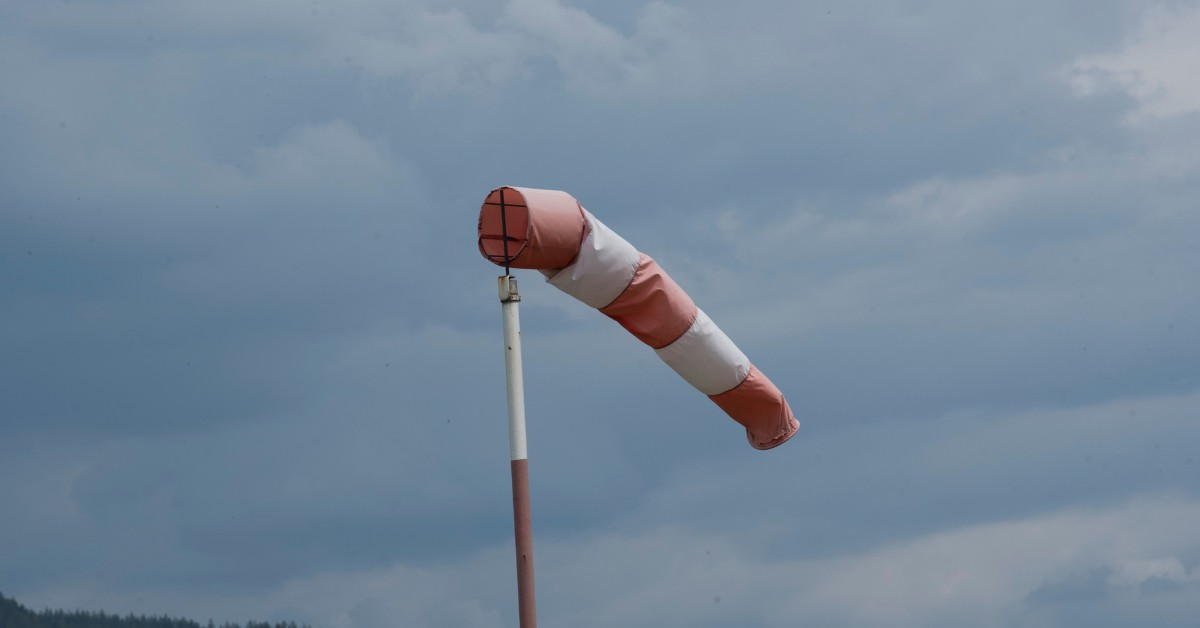
A gusty runway. A sideways push. For many nervous flyers, crosswinds create real anxiety—especially during takeoff. You might wonder, is crosswind takeoff safety truly reliable? The short answer: yes. But it helps to understand why, and how those sideways winds are factored into every decision on the flight deck.
So let’s talk about what really happens when a plane takes off into crosswinds—and why you can feel safe, even when nature throws in a twist.
What Is a Crosswind Takeoff?
During takeoff, a crosswind means the wind isn’t coming straight down the runway—it’s coming at an angle or from the side. This causes the aircraft to experience a sideways push, which can feel unsettling if you’re not expecting it.
But crosswinds aren’t surprises to pilots. They’re measured, predicted, and managed with precision. Before every takeoff, your crew knows the wind direction and strength. If the wind exceeds safe crosswind limits for that aircraft or runway, the flight won’t depart until conditions change—or the takeoff is redirected to a better runway facing into the wind.
A crosswind is something pilots read, not react to. They’re trained not just to handle it, but to expect it.
How Pilots Handle Crosswinds
Pilots practice crosswind takeoffs and landings extensively in simulators and during actual flight training. There are specific control techniques—like applying rudder to keep the nose aligned while using ailerons to prevent wing-lift—that ensure a stable, straight path down the runway.
The motions may look complex, but for pilots, it’s second nature. The aircraft responds predictably, and the flight controls are designed for exactly these sorts of conditions.
Just like steering a car against a strong breeze, pilots adjust the controls to keep the aircraft steady and on course. And because commercial jets are highly responsive, even strong crosswinds are manageable—within strict safety parameters.
From the Flight Deck
Crosswind takeoff procedures are standard. Your captain gets live wind updates from air traffic control and on-board instruments. If conditions approach limits, they talk through the plan with the first officer—who also fully understands the crosswind limits for your specific aircraft and runway.
Every decision is backed by training, data, and experience. If there’s ever any risk beyond safety limits, crosswind takeoffs are delayed or rerouted. There’s no guesswork, only procedures.
And remember: Pilots don’t take chances—they make choices based on layers of safeguards.
Myth-Busting Moment
One common myth is that planes aren’t equipped to take off safely in windy conditions. In reality, every airliner has a defined crosswind limit from the manufacturer—a value that reflects what the plane can safely handle during takeoff and landing, even in gusty conditions.
Another myth? That wind gusts are unpredictable. In truth, meteorological tools at airports are so precise they detect wind shifts in real time. Aircraft systems, control towers, and pilot briefings work together to ensure takeoffs only occur within safe wind corridors.
Crosswinds aren’t random threats—they’re measured variables in a carefully controlled system.
Why the Aircraft Loves Structure
Modern commercial planes are built with crosswinds in mind. Their wings, engines, and landing gear handle significant lateral forces without stress. Even visually dramatic movements—like tilting into the wind or banking slightly—are normal parts of staying aligned during a crosswind departure.
This is all factored into aircraft design from day one. Engineers don’t just hope for calm weather—they design for all types of real-world flying conditions.
Confidence From the Cabin
From your seat, a crosswind takeoff might feel wobbly, or like the plane drifts briefly. That’s the aircraft adjusting, exactly like it’s supposed to.
In most cases, what feels dramatic to you is just subtle correction to experienced eyes. The plane might rotate a few degrees into the wind—but it’s firmly on the runway centerline, under total control.
So the next time you feel a side-push at takeoff, remember: this is practiced, expected, and routine. Crosswind takeoff safety isn’t just a goal—it’s a proven element of every flight plan.
Knowledge is your co-pilot. You’ve got this!
Fearless Flight Club
