


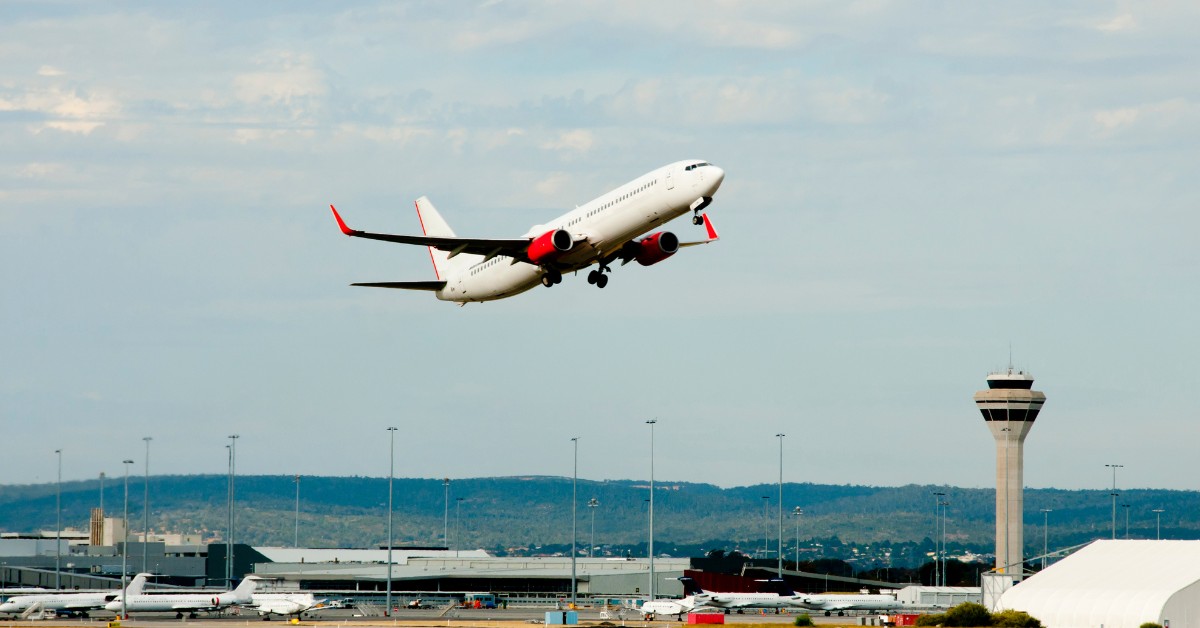
A sudden roar of the engines. The nose of the plane lifts. Your heart races. For many anxious flyers, takeoff is the most dreaded part of flying. And that leads to a pressing question: is takeoff the most dangerous part of a flight? It feels like the moment when everything could go wrong—and that fear is valid. But here’s the truth: while takeoff deserves respect, it’s far less risky than fear makes it seem.
Let’s break it down.
Why Takeoff Feels So Scary
You’re tightly strapped in. The plane accelerates quickly. It lifts up into the unknown. Combine the surge of speed with the noise and vibrations, and your nervous system goes on alert. Physiologically, takeoff triggers a stress response—your body mistakes the unfamiliar sensations for danger.
Mentally, you might find yourself thinking: ‘This is the most dangerous part, right?’ That belief alone intensifies the anxiety. But believing something feels risky doesn’t make it truly high-risk.
The Facts About Takeoff Risk
So, is takeoff the most dangerous part of a flight? Statistically speaking, it is part of what aviation calls the ‘critical phases’—takeoff and landing—because this is when aircraft are closest to the ground, and decisions must be made quickly.
But ‘critical’ doesn’t mean ‘dangerous.’ It means it requires focus, preparation, and precision—which is exactly what pilots are trained for.
In a comprehensive Boeing safety analysis, accidents during takeoff and initial climb accounted for only 14% of total incidents, and most were non-fatal. Modern aircraft are designed to handle engine failures—even during takeoff. And crews rehearse exactly what to do if anything out of the ordinary occurs.
Myth-Busting: If Something Goes Wrong, There’s No Time
It’s easy to think: if something happens during takeoff, there’s no time to react. But the opposite is true. Pilots practice rapid-response scenarios extensively in simulators. They’re required to repeatedly demonstrate how to handle engine issues, aborted takeoffs, or anomalies right from the runway.
Each aircraft has a speed called V1—it’s literally the ‘decision speed.’ Before V1, pilots can stop the plane on the runway. After V1, they are fully prepared to get the aircraft safely airborne, even with one engine. It’s a meticulously calculated system—not left to chance.
From the Flight Deck
Here’s how takeoff looks from the cockpit: Pilots follow a standard, structured checklist. They know the weight of the plane, the weather, the winds, and the exact speeds needed. Every action from brake release to rotation is planned and reviewed in advance.
Pilots are not improvising. They are executing a well-rehearsed procedure in communication with air traffic control and ground crews. Takeoff is an expected, routine event—not a moment of suspense.
Reframing Takeoff with Knowledge
Think of takeoff like merging onto a highway. Yes, it’s faster-paced. Yes, it demands attention. But that doesn’t make it inherently dangerous. That sensation of acceleration, the tilt of the climb—it’s not a loss of control. It’s control in action.
When your body reacts with fear, remind yourself: this phase is designed, practiced, and handled by experts. Planes don’t ‘just’ take off—every lift-off involves layers of engineering, backup systems, and human skill.
It’s okay to feel nervous. But you are not powerless. Your understanding of what’s truly happening can turn panic into perspective.
Remember:
- Feeling intense during takeoff doesn’t mean it’s unsafe.
- Pilots train extensively for takeoff more than any other phase.
- Modern aircraft are built with takeoff safety as a top priority.
Knowledge is your co-pilot. You’ve got this!
Fearless Flight Club
