


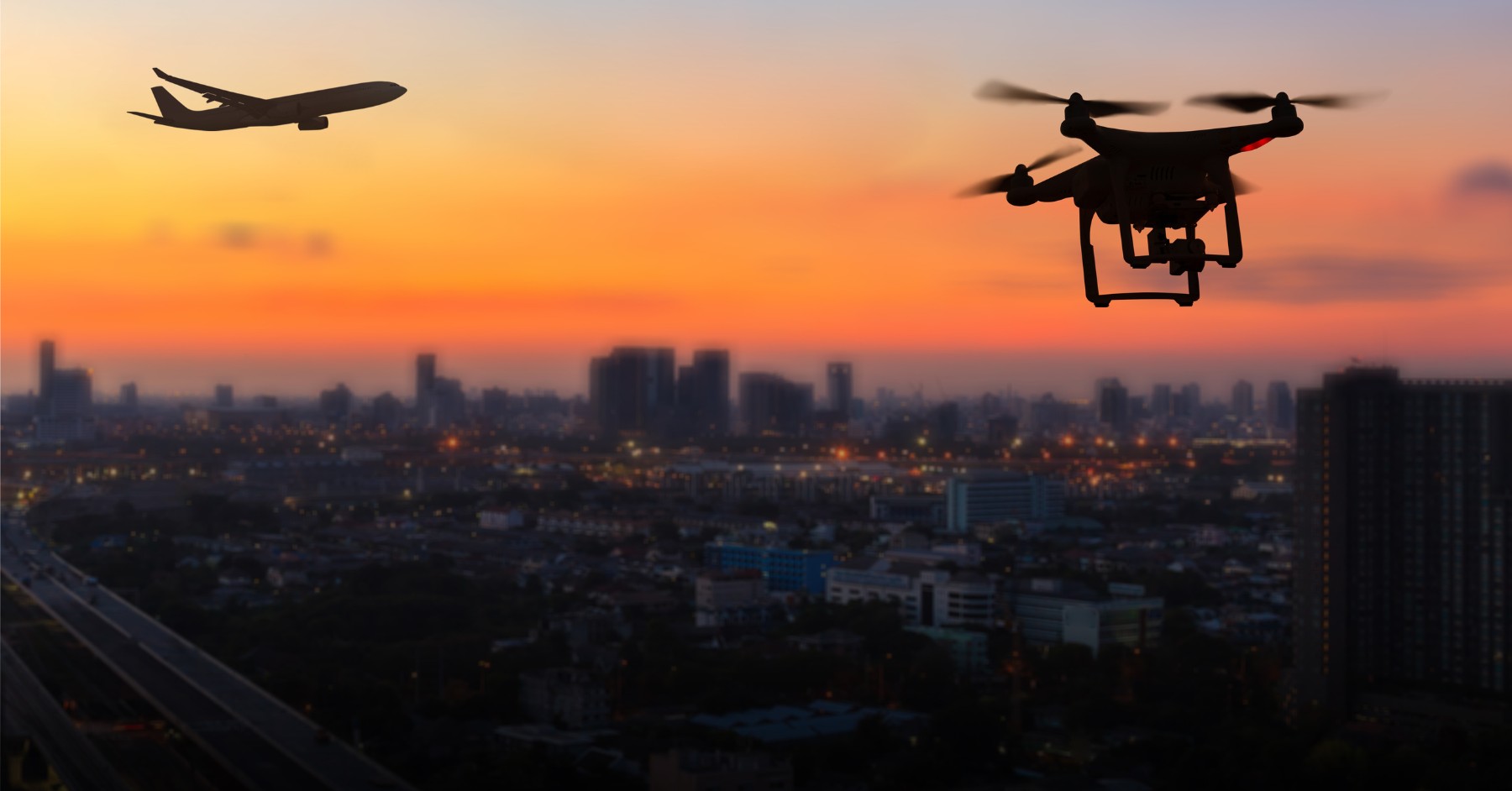
A sudden headline or social media post about a ‘drone strike airplane’ event can instantly stir up fear. You imagine a drone hitting a jet midair, causing chaos or worse. If you’ve felt this fear, you’re not alone — and you’re not overreacting. When something unfamiliar poses a possible safety risk, it’s normal to feel uneasy. The key is understanding how rare this scenario actually is, and how aviation is prepared for it.
So, what does that really mean?
What Exactly Happens in a Drone Strike Scenario?
The idea of a collision between a drone and an airplane can be alarming because of how unexpected it feels. But here’s what you need to know: modern aircraft are designed to withstand impacts with small objects — including birds, which are larger and more unpredictable than most consumer drones.
Most pressurized areas of an aircraft, such as the cockpit and fuselage, are structurally reinforced. Engines and windshields — while not invincible — are built with powerful materials and routinely tested under extreme conditions. Commercial aviation anticipates random events and builds solutions in advance.
In the rare cases where drone-related incidents have occurred, damage has been superficial, and safety was never compromised. Drones are small, relatively lightweight, and lack the mass or speed to cause the kind of catastrophic failure people commonly fear.
Myth-Busting Moment: Are Drones as Dangerous as Birds?
Here’s a surprising fact: bird strikes are much more common in aviation than drone strikes, and aircraft safely handle them every day. Yet the media often paints drones as the bigger threat simply because they’re newer and less understood.
Birds can weigh four to eight times more than consumer drones and approach aircraft unexpectedly. Despite that, planes land safely after bird strikes — often without passengers even realizing one occurred. Statistically, a bird strike is a far more likely event, and even that isn’t something to fear.
Drone strike airplane incidents are extremely rare by comparison, and monitored closely by aviation safety authorities worldwide.
From the Flight Deck: How Pilots Handle Unusual Events
Commercial pilots are trained for countless in-flight scenarios — including unexpected external impacts. That training includes practicing how to stay calm, assess any noise or vibration, coordinate with air traffic control, and safely land the aircraft if needed.
Pilots operate with built-in checklists and procedures for handling anomalies. If a plane ever lost power in one engine (which is not typical after a drone strike, but imagine a worst-case), it can still fly and land safely. The calm confidence you see in every flight crew is backed by training, simulations, and protocols.
‘Drones might be new to the airspace, but airplanes are built for the unexpected.’
‘Safety isn’t fragile — it’s engineered.’
‘A drone in the sky doesn’t mean danger in the cabin.’
What’s Being Done to Prevent Drone-Aviation Conflicts?
Drone operators in most countries must follow strict rules: staying below certain altitudes, clear of airports, and away from manned aircraft. Aviation authorities like the FAA and EASA are actively developing technology to track and manage drone activity in shared airspace more effectively.
There are also ‘geo-fencing’ features in many consumer drones that prevent them from flying near airports or into restricted zones. Enforcement is increasing, and education campaigns have helped reduce reckless use.
The sky is becoming smarter all the time — and you benefit from that every time you fly.
Passenger Reassurance: Facts That Bring Peace of Mind
Fearing a drone strike is understandable. It comes from caring about safety. But here’s the reassuring truth — the entire aviation system already sees the risks, and has set up layers of protection.
- Drone strike airplane incidents are extremely rare — far less common than everyday bird strikes.
- Planes are engineered for impacts far more forceful than most drones could deliver.
- Pilots are trained, calm, and ready for any unusual vibration or external event.
Your job isn’t to eliminate fear, but to understand it and grow more confident by knowing what’s really happening. That worry you feel is valid — and also, it’s beatable.
Knowledge is your co-pilot. You’ve got this!
Fearless Flight Club
