

Close Menu
Fearless Flight Club
    What's Hot

    How Far Can Airplane Wings Bend — And Why That’s a Good Thing

    September 10, 2025

    How Do Huge Airplanes Stay in the Air? Understanding the Magic Behind Massive Jets Like the A380

    September 10, 2025

    Why Don’t Planes Have Parachutes for Passengers?

    September 10, 2025
    Facebook X (Twitter) Instagram YouTube TikTok
    Facebook X (Twitter) Instagram YouTube TikTok
    Fearless Flight Club
    • Home
    • Your Flying Questions
      • Aircraft Systems
      • Aircraft Types & Myths
      • Emergencies
      • In-Flight Experience
      • Navigation & Safety Systems
      • Pilots & Crew
      • Takeoff & Landing
      • Weather & Environment
    • Get In Touch
    Subscribe
    Fearless Flight Club
    Home»Your Flying Questions»Emergencies»What Happens When a Bird Hits a Plane?
    Emergencies

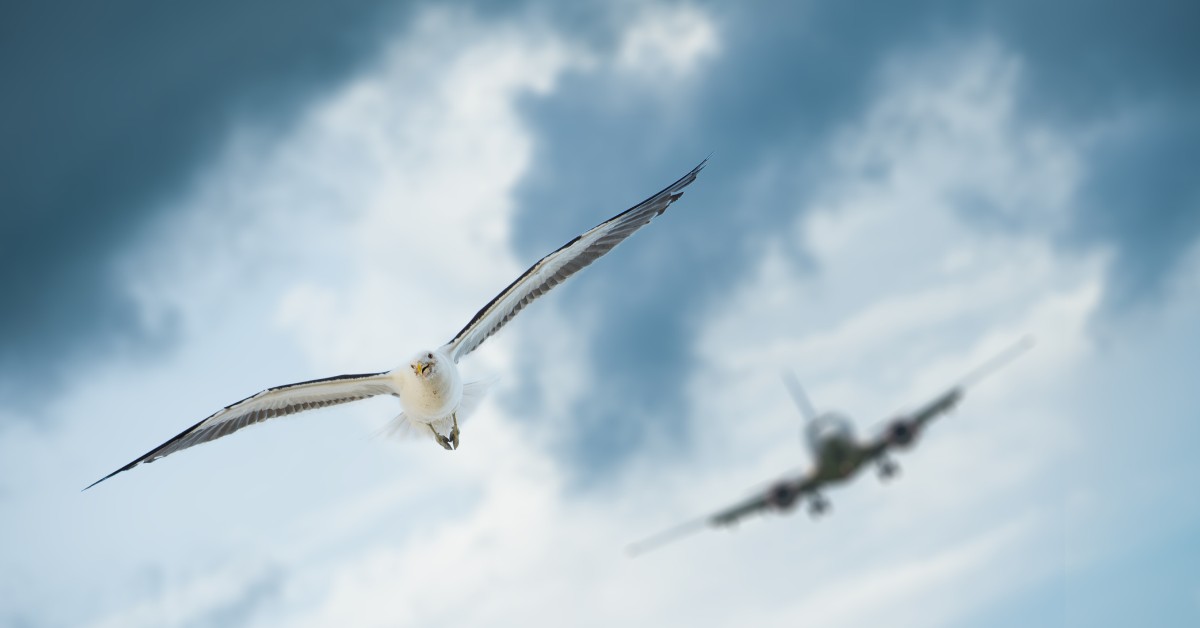
    What Happens When a Bird Hits a Plane?

    What to expect when a bird hits a plane—and why it's not as scary as it sounds.
    FearlessFlightClubBy FearlessFlightClubSeptember 10, 2025Updated:September 10, 2025No Comments4 Mins Read
    Share Facebook Twitter Pinterest LinkedIn Tumblr Reddit Telegram Email
    Share
    Facebook Twitter LinkedIn Pinterest Email

    A loud bang. A sudden jolt. The unsettling thought: what happens when a bird hits a plane? It’s a fear that catches many nervous flyers off guard. Birds hitting planes — known as bird strikes — sound dramatic, but they are rarely dangerous. In aviation, they’re a known and thoroughly prepared-for event.

    Let’s break it down.


    What Actually Happens When a Bird Hits a Plane?

    When a bird strikes a plane, most of the time it causes little or no harm. Bird strikes typically occur during takeoff or landing — the phases of flight closest to bird habitats. At cruising altitude, birds are rarely present.

    Modern aircraft are built with this risk in mind. The engines, windshields, and leading edges of wings undergo strict testing — including impact tests using bird-like materials. Aircraft must demonstrate they can continue flying safely even if a bird hits a key component.

    So what does that really mean? Even in the unlikely scenario that a bird enters an engine, the engine is designed to contain the damage and keep the aircraft flying. Most bird strikes result in nothing more than a squawk on the maintenance log.


    Myth-Busting: Can a Bird Really Bring Down a Plane?

    This is a common fear, especially after hearing rare high-profile stories, like the ‘Miracle on the Hudson’. But that was one-in-millions — and even then, the crew handled it professionally, with zero casualties. What that story truly shows is how prepared pilots are, even for the rarest situations.

    In reality, commercial aviation has hundreds of bird strikes every year — and almost none lead to anything more than a delayed flight. The U.S. FAA tracks wildlife strikes carefully, and the data is clear: bird hits are extremely low risk to passenger safety.


    From the Flight Deck

    Pilots are trained extensively to deal with bird strikes. In simulator training, they practice exactly how to respond — whether it’s shutting down an engine safely or communicating changes to air traffic control.

    Pilots know what to do long before a bird ever appears.

    If a bird hits the plane, the crew follows a checklist. If there’s any damage or uncertainty, the plane will return to the gate or divert — out of an abundance of caution. That’s not because the flight is unsafe. It’s because aviation prioritizes caution over risk, every time.

    ‘Cautionary return’ does not mean crisis.


    What You Don’t See: Prevention on the Ground

    Behind the scenes, airports use wildlife management teams to reduce the chances of a bird strike in the first place. These teams track bird activity, use radar systems, and even employ falcons or noise devices to naturally move birds away from busy runways.

    Air traffic controllers also adjust departure and arrival patterns based on known wildlife activity. Like choreographing ballet in the sky, every move is designed to reduce risk before a plane even leaves the ground.


    Passenger Reassurance: What It Means for You

    If you’re worrying, you’re not alone — but you’re also not at risk. A bird hitting a plane can be loud, even scary in the moment, but it’s not the start of a disaster movie.

    Aircraft are rigorously engineered. Pilots are trained. Airports and air traffic control actively work to keep birds and airplanes apart. And if anything unusual does happen, there’s always a calm, rehearsed process behind the scenes.

    You may hear the bump, but the professionals already know what to do.

    Next time you hear about a bird strike, remember: it’s mostly an inconvenience for maintenance teams, rarely a problem for passengers.

    Knowledge is your co-pilot. You’ve got this!

    Fearless Flight Club
    aviation safety bird strike emergencies engine safety fear of flying wildlife
    Share. Facebook Twitter Pinterest LinkedIn Tumblr Email
    Previous ArticleCan Strong Winds Knock a Plane Out of the Sky? Understanding Strong Winds and Airplane Safety
    Next Article Why Does a Runway Change Before Landing Happen?
    FearlessFlightClub
    • Website

    Related Posts

    Aircraft Systems

    How Far Can Airplane Wings Bend — And Why That’s a Good Thing

    September 10, 2025
    Aircraft Types & Myths

    How Do Huge Airplanes Stay in the Air? Understanding the Magic Behind Massive Jets Like the A380

    September 10, 2025
    Aircraft Types & Myths

    Why Don’t Planes Have Parachutes for Passengers?

    September 10, 2025
    Add A Comment
    Leave A Reply Cancel Reply

    Top Posts

    How Do Strong Winds Affect Takeoff and Landing?

    September 10, 2025218 Views

    Should I Be Worried About a Flight Delay for Mechanical Issues?

    September 10, 2025179 Views

    Why Do Flights Return to Gate After Boarding?

    September 10, 2025149 Views
    Stay In Touch
    • Facebook
    • YouTube
    • TikTok
    • Twitter
    • Instagram
    Latest Reviews

    Subscribe to Updates

    Get the latest tech news from FooBar about tech, design and biz.

    Most Popular

    How Do Strong Winds Affect Takeoff and Landing?

    September 10, 2025218 Views

    Should I Be Worried About a Flight Delay for Mechanical Issues?

    September 10, 2025179 Views

    Why Do Flights Return to Gate After Boarding?

    September 10, 2025149 Views
    Our Picks

    How Far Can Airplane Wings Bend — And Why That’s a Good Thing

    September 10, 2025

    How Do Huge Airplanes Stay in the Air? Understanding the Magic Behind Massive Jets Like the A380

    September 10, 2025

    Why Don’t Planes Have Parachutes for Passengers?

    September 10, 2025

    Subscribe to Updates

    Get the latest tips from Fearless Flight Club about flight safety, calm travel, and building confidence.

    Facebook X (Twitter) Instagram YouTube TikTok
    • Privacy Policy
    • Terms of Service
    © 2026 Fearless Flight Club. Designed by Fearless Flight Club.

    Type above and press Enter to search. Press Esc to cancel.