


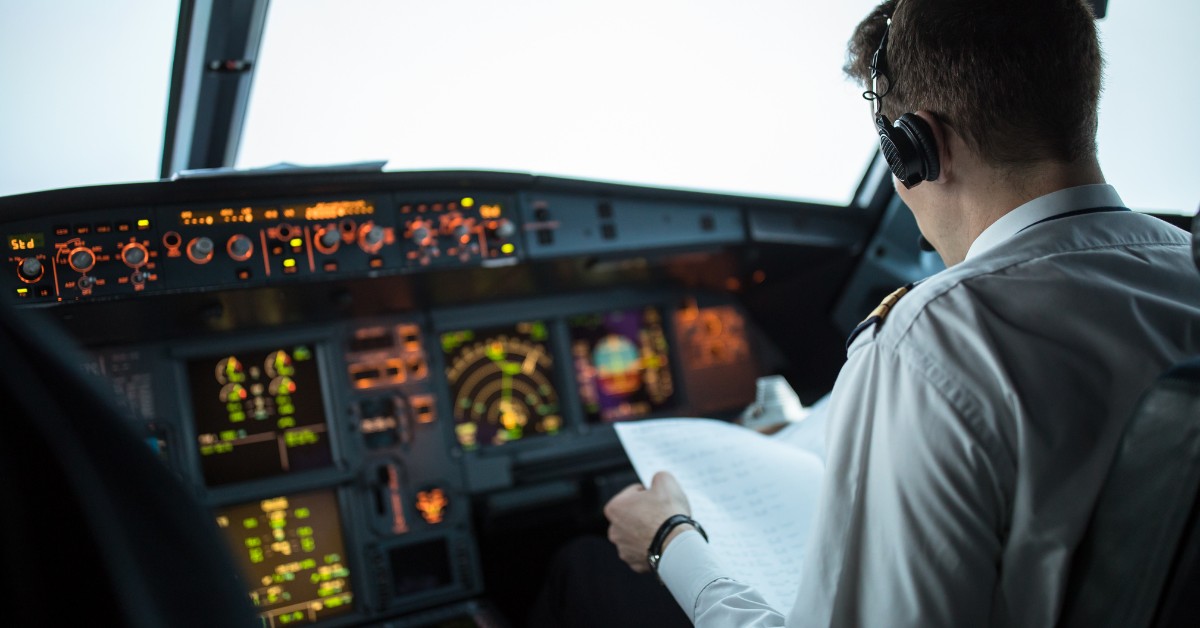
‘What if the pilot makes a mistake?’ It’s a question that echoes in the minds of many anxious flyers. Fear of pilot error is completely normal — you’re placing trust in someone you’ve never met, inside a machine you don’t control. It’s not irrational — it’s human. And while pilot error has historically contributed to accidents, modern aviation has drastically transformed how these risks are managed and minimized.
So, what does that really mean?
What Pilot Error Really Means
Pilot error isn’t always a dramatic mistake or lapse in judgment. In aviation language, it simply refers to any human action that could affect the outcome of a flight. That could range from setting a wrong switch to misreading an instrument. But here’s the good news — the aviation industry knows this, and it’s been building systems for decades to catch and correct those actions before they become problems.
In the same way your phone has autocorrect, airplanes and procedures are designed to help pilots catch small mistakes early — before they escalate. From verbal checklists to automated alerts, layers of protection are in place to make sure every step is double-checked and backed up.
Why Fear of Pilot Error Feels So Powerful
Flying taps into a deep part of our brains — the part that scans for danger, even if it’s extremely unlikely. When you imagine pilot error, you’re likely picturing a worst-case scenario. That’s how the anxious brain works: it leaps to ‘what-ifs’ without context.
But consider how many successful flights occur every single day. Roughly 100,000 commercial flights take off and land safely around the world — all overseen by highly trained professionals working within a robust, safety-first system.
From the Flight Deck: How Pilots Prevent Error
Pilots aren’t just drivers of the plane — they’re highly trained systems managers, constantly monitoring, coordinating, and adjusting. Commercial pilots go through years of training that doesn’t stop once they’re hired. Regular simulator sessions, check rides, and proficiency checks are mandatory throughout their careers.
Before every flight, pilots conduct extensive briefings, review weather, performance data, and flight plans. In the cockpit, there are two pilots — captain and first officer — who cross-check each other’s actions. This system, called crew resource management, is specifically designed to minimize individual error and maximize team-based decision-making.
Think of it like two surgeons working together with a surgical team — precise, coordinated, deliberate.
Myth-Busting Moment: One Pilot Isn’t Flying Solo
One common fear is that if a pilot zones out or presses the wrong button, disaster will strike. But here’s the truth: commercial aircraft aren’t flown solo, and they aren’t operated by instinct alone. Every action is guided by procedure.
Aircraft are also equipped with layers of automation. Autopilot assists with routine flying, but pilots constantly monitor and can override it at any time. In unusual scenarios, they’re trained through hundreds of hours of simulator-based testing — often rehearsing rare, high-stress events so they know exactly what to do before they ever face a real one.
Why Modern Aviation Rejects Guesswork
Aviation is one of the most highly regulated and safety-driven industries in the world. Every airline operates under strict oversight from aviation authorities such as the FAA or EASA. These organizations require airlines to implement safety management systems that proactively identify and address risks — including pilot-related ones.
When incidents occur, they are investigated not to place blame but to learn and improve. That’s why airline safety has consistently improved over the decades. Lessons are turned into new training procedures, checklists, and design upgrades to ensure a safer future for everyone onboard.
Passenger Reassurance: Replace Fear with Facts
- Commercial aviation is one of the safest forms of transportation on Earth.
- Human error is never unchecked — it’s anticipated and accounted for.
- Redundancy, teamwork, and technology all serve as backups to each other.
If you find yourself imagining a pilot making a critical mistake, try to remember the systems watching behind them — co-pilot, checklists, air traffic control, onboard computers, and decades of engineering. The reality is, mistakes don’t get far in modern cockpits — too many safeguards are in place to catch and correct them early.
As a passenger, your job is not to monitor the cockpit — it’s to learn that you don’t have to. The system is built to fly you safely, with or without your worry.
Knowledge is your co-pilot. You’ve got this!
Fearless Flight Club
