


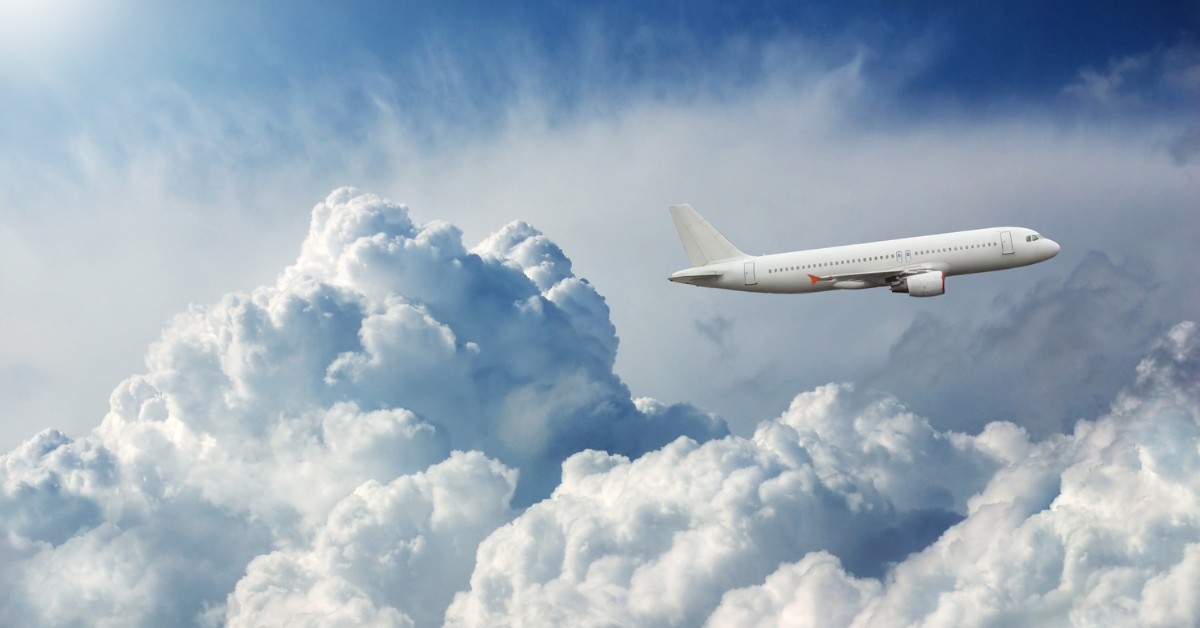
A storm cloud can look like something out of a movie—dark, towering, maybe even flashing with lightning. It’s completely normal to feel uneasy when your flight path seems to head toward those clouds. The mind races: Are we flying into danger? Will it get bumpy? Is this safe? That feeling of vulnerability makes perfect sense, especially when you can’t see what’s ahead, and the sky itself looks threatening.
But here’s the truth: stormy-looking clouds don’t always mean bad news for your flight. Understanding what’s really going on can help you feel far more grounded—even at 35,000 feet. Let’s break it down.
What Is a Plane Storm Cloud, Really?
When we talk about a “plane storm cloud,” we’re usually referring to cumulonimbus clouds. These are the big, dense formations that can bring thunderstorms, turbulence, and heavy precipitation. They often stretch high into the atmosphere—and yes, they may look dramatic from a passenger window.
But here’s where perspective helps: not all stormy-looking clouds are dangerous to pass through. Some are just visually intense, while posing no risk to flight safety. Pilots are trained to read not just the sky, but the detailed data behind it—weather radar, satellite imagery, and live reports from other aircraft ahead.
Myth vs. Reality: Flying Through Storm Clouds
It’s a common myth that pilots simply “fly into storms.” In reality, pilots and onboard systems are tasked with one key goal: avoid severe weather at all costs. Not only is that standard operating procedure—it’s FAA-regulated.
Modern aircraft are equipped with advanced weather radar systems that allow pilots to detect developing storms from miles away. These radars don’t just see the clouds; they analyze what’s happening inside them—like wind shear, precipitation intensity, and electrical activity.
So if your plane does pass through a stormy-looking cloud, it likely means the area has already been assessed as safe or non-threatening. It might look intimidating, but inside, it could be smooth sailing—or at most, a brief patch of light turbulence.
From the Flight Deck: What Pilots See and Do
From the cockpit, a plane storm cloud is never approached blindly. Pilots assess, reroute, and communicate constantly. Airline crews receive detailed weather briefings before every flight, and they have live in-cockpit radar the whole time. If something unexpected pops up, like a rapidly developing thunderstorm, they’ll alter their course without hesitation.
Lightning? Pilots avoid it. Turbulence reports? They reroute around them. Some mild bumps are unavoidable—but your pilot avoids the core of every serious cloud they see. Think of it like driving around potholes on a road after years of practice. They know how to steer clear safely.
Pilots don’t gamble with safety—not ever.
Passenger Perspective: Why It Feels Scarier Than It Is
Visual cues are powerful. A dark cloud might trigger anxious thoughts, especially if you’ve experienced turbulence before. But weather looks very different from outside a plane than inside it. The contrast of light and cloud can exaggerate how stormy things appear. Remember: your eye doesn’t have the radar your pilot does.
Plus, turbulence—if it does occur—is a comfort issue, not a danger issue. A plane is built to handle much more than it ever encounters. Engineers test for extremes, far beyond the worst weather your flight might touch.
One helpful mindset shift: try thinking of clouds like waves in the ocean. Large, moving, and bumpy at times—but far from threatening when you’re in a vessel designed for them. Planes are built for clouds, just like ships are built for waves.
You’re Not Alone in This Feeling
It’s not strange to feel tense at the sight of stormy skies. Many experienced travelers feel it too. What helps is rewiring that reaction with facts:
- Pilots are trained to avoid the hazardous core of any storm cloud.
- Aircraft radar identifies areas of concern long before the plane nears them.
- Visually dark or towering clouds can be harmless from a flight dynamics point of view.
The more you understand what’s happening in the flight deck—and in the sky—the less power fear holds. That’s how you shrink the fear: not by force, but by facts.
Knowledge is your co-pilot. You’ve got this!
Fearless Flight Club
