


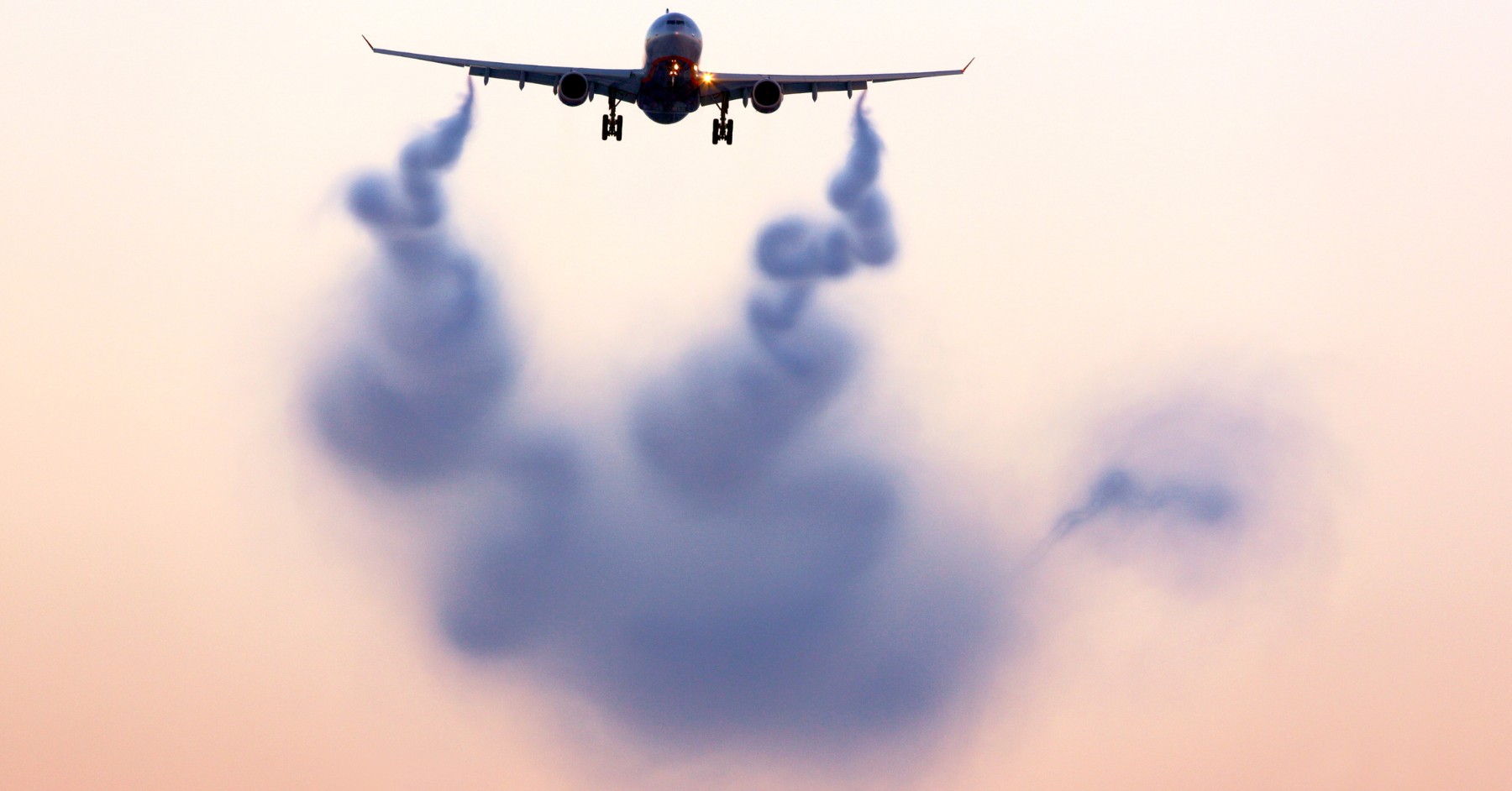
A sudden jolt in the sky can feel alarming—especially if you’ve heard the term ‘plane wake turbulence’. Maybe you’re picturing your aircraft being rattled by invisible air currents left behind by another plane. If that vision sparks anxiety, you’re not alone. Wake turbulence sounds dramatic, but in aviation, it’s a well-understood and carefully managed phenomenon.
So, what does that really mean?
What Is Plane Wake Turbulence?
Plane wake turbulence refers to the disturbance in the air caused by an aircraft as it passes through the sky. When planes fly, they produce something called ‘wingtip vortices’—spinning air currents that spiral off the ends of the wings. Think of them like the swirling water left behind a boat. These invisible spirals trail the aircraft and can linger in the air for a short time.
The larger and heavier the aircraft, the stronger those vortices. That’s why wake turbulence is most commonly discussed when smaller planes follow larger ones. But commercial aviation plans for this at every level—which means your safety is never left to luck.
How It Feels as a Passenger
When your plane encounters wake turbulence, you may feel a brief bump or unexpected roll. It can happen shortly after takeoff or while descending for landing—usually when planes are more likely to fly near each other. The motion might be sudden, but it’s short-lived.
This is a type of turbulence, yes—but it’s not the chaotic kind caused by storms or wind patterns. It’s very specific and predictable. Pilots and air traffic controllers know exactly when and how to anticipate it.
Myth-Busting Moment: Wake Turbulence Is Not a Freefall
One common fear is that plane wake turbulence could send a jet into a dangerous spin or uncontrolled drop. That’s not how it works. Modern commercial jets are designed to respond to and absorb airflow changes safely. Even if another plane’s vortices are felt, the aircraft’s structure and the pilots’ training ensure a smooth recovery—typically within seconds.
From the Flight Deck: How Pilots Stay Ahead of Wake Turbulence
Pilots are trained to detect and avoid wake turbulence. They learn exactly how vortices behave and how long they persist in the air. When landing or taking off behind another aircraft, they follow strategic spacing protocols set by air traffic control. These separation standards are based on aircraft type and weight, down to the minute.
In fact, pilots are so well-acquainted with wake turbulence patterns, it’s part of their daily workflow. They watch for it. They plan for it.
Passenger Reassurance: Why This Fear Is Manageable
The physical sensation of plane wake turbulence can trigger anxiety because it’s unexpected. We’re wired to respond strongly to sudden motion, especially when we don’t know what caused it. That’s where knowledge takes the edge off.
- Wake turbulence is a known quantity with specific causes.
- Air traffic control enforces strict spacing rules to avoid it.
- Pilots always have procedures ready in case it’s encountered.
Knowledge is your co-pilot. You’ve got this!
Fearless Flight Club
