


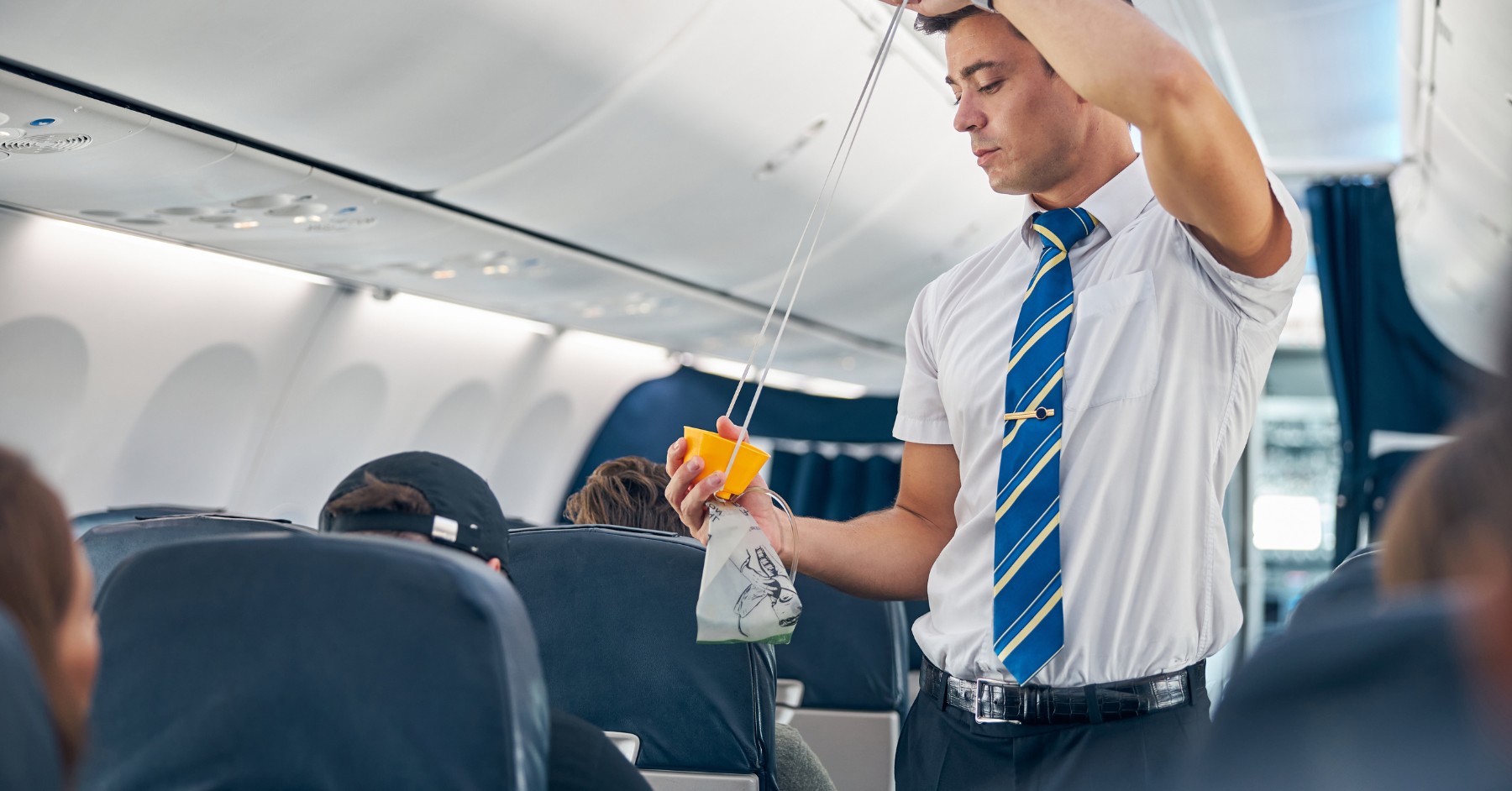
A sudden drop in pressure, the oxygen masks falling from overhead — the idea of cabin pressure loss is enough to trigger deep fear in many flyers. It feels sudden, out of control, and potentially life-threatening. But while the experience can be startling, it’s also incredibly rare — and every element of your flight is built to handle it calmly and safely.
So, what does that really mean?
What Is Cabin Pressure Loss?
When you fly at cruising altitude — usually between 30,000 and 40,000 feet — the air outside is too thin to breathe safely. That’s why aircraft cabins are pressurized. Cabin pressure loss happens when that pressurization is disrupted and the air inside becomes thinner than it should be.
This can be caused by a mechanical issue (like a faulty valve), a small structural issue, or a rapidly opening door or panel — although the latter is extremely rare. Major airlines maintain aircraft meticulously to catch and prevent these problems before they occur.
Why It Feels So Alarming
The body notices pressure changes fast. You might feel your ears pop, or sense ‘thin’ air. Oxygen masks may deploy automatically. It all sends a signal: something’s wrong. Your response — fear, panic, shortness of breath — is a natural reaction. Your body is trying to make sense of a surprise it wasn’t expecting. But understanding the systems at work can shift that fear.
The Safety Systems Already in Place
Let’s be clear: modern commercial aircraft are equipped with smart, redundant systems to detect and respond to cabin pressure loss. Here’s what protects you:
- Automatic oxygen masks: If cabin pressure falls outside the safe range, masks deploy immediately above every seat. You breathe pure oxygen, not just the cabin air.
- Pilot response protocols: When pressure loss is detected, pilots immediately descend to a lower altitude where supplemental oxygen isn’t needed — typically around 10,000 feet.
- System design: Aircraft hulls are built to tolerate massive pressure differentials. Engineers design systems and materials to withstand pressure changes even beyond expected limits.
Myth-Busting Moment
Myth: If the cabin loses pressure, the plane is doomed.
Truth: Pilots train specifically for cabin pressure loss. It’s part of their core emergency drills in simulators, reviewed routinely. Pressure loss does not mean total failure or disaster — it means it’s time to descend safely, which aircraft are prepared to do fast.
A commercial airliner can typically reach a safer altitude in minutes — often before you’ve even processed what’s happening.
From the Flight Deck
Here’s how flight crews handle it:
- Pilots don masks immediately and switch to emergency oxygen systems.
- They radio air traffic control and begin a controlled descent, following preset procedures.
- The goal: get down quickly and safely, not abruptly.
Pilots describe this as a ‘high-priority situation’ — not because it’s out of control, but because they have a proven process to follow. You are not at the mercy of chaos. You’re in the hands of professionals trained and prepared for even the rarest events.
Passenger Reassurance You Can Hold Onto
You might feel fear before you even know what’s happening. That’s normal. But here’s what knowledge shows us:
- Cabin pressure loss events are exceedingly rare.
- The moment it’s detected, systems and people respond within seconds.
- You are not breathing ‘no air’ — your oxygen mask supplies what you need until descent is complete.
- Aircraft are built for this — and more.
Remember, fear thrives in the unknown. Once you understand how this scenario plays out — and how expertly it’s handled — you gain something stronger than fear: trust in your safety.
Screenshot this: ‘Planes are pressurized. Pilots are trained. You are protected.’
And this: ‘Oxygen masks aren’t scary. They’re a sign that everything’s working as designed.’
Knowledge is your co-pilot. You’ve got this!
Fearless Flight Club
