

Close Menu
Fearless Flight Club
    What's Hot

    How Far Can Airplane Wings Bend — And Why That’s a Good Thing

    September 10, 2025

    How Do Huge Airplanes Stay in the Air? Understanding the Magic Behind Massive Jets Like the A380

    September 10, 2025

    Why Don’t Planes Have Parachutes for Passengers?

    September 10, 2025
    Facebook X (Twitter) Instagram YouTube TikTok
    Facebook X (Twitter) Instagram YouTube TikTok
    Fearless Flight Club
    • Home
    • Your Flying Questions
      • Aircraft Systems
      • Aircraft Types & Myths
      • Emergencies
      • In-Flight Experience
      • Navigation & Safety Systems
      • Pilots & Crew
      • Takeoff & Landing
      • Weather & Environment
    • Get In Touch
    Subscribe
    Fearless Flight Club
    Home»Your Flying Questions»Pilots & Crew»Can Pilots Have Anxiety? Why Their Voices Stay Calm in Emergencies
    Pilots & Crew

    Can Pilots Have Anxiety? Why Their Voices Stay Calm in Emergencies

    Learn how pilot training addresses pilot anxiety and ensures calm responses even in high-stress moments.
    FearlessFlightClubBy FearlessFlightClubSeptember 9, 2025Updated:September 10, 2025No Comments3 Mins Read
    Share Facebook Twitter Pinterest LinkedIn Tumblr Reddit Telegram Email
    Share
    Facebook Twitter LinkedIn Pinterest Email

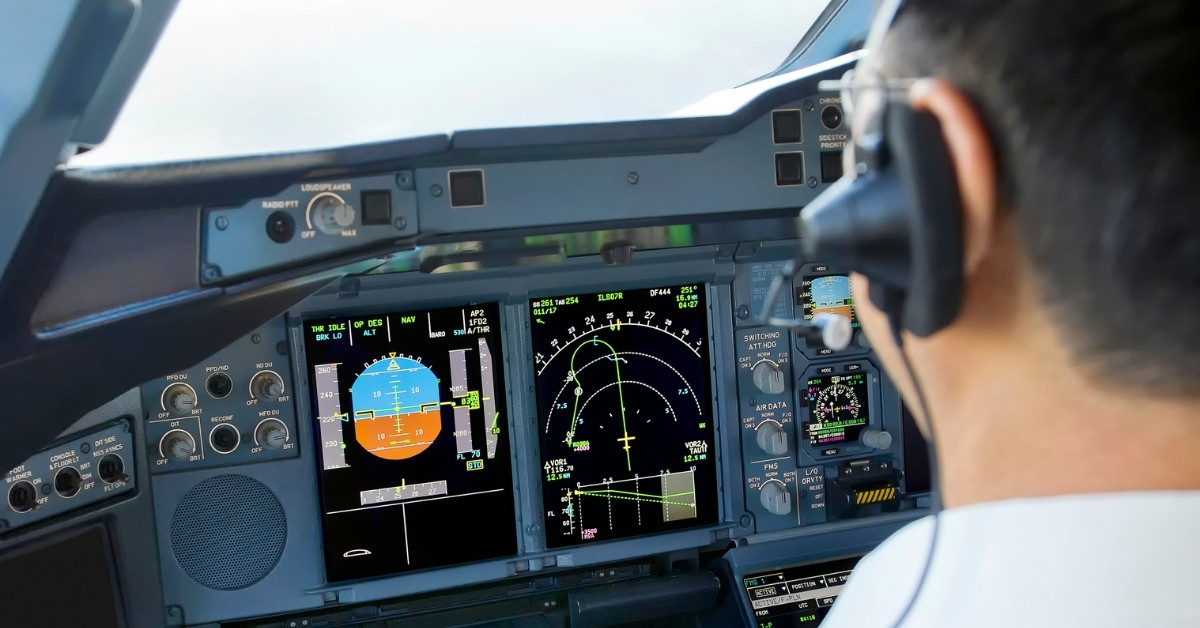
    A pilot’s voice over the intercom during a tense moment can sound impossibly calm. You might wonder—can pilots have anxiety? And if they do, how do they stay so composed? That calm, steady tone can feel both reassuring and mysterious, especially when you’re feeling nervous yourself. It might even make you question whether pilots are superhuman, or worse, hiding something. The truth is more human, and more comforting, than you might think.

    Let’s break it down.


    What Does It Really Mean to Be a Pilot Under Pressure?

    Flying a plane isn’t just about operating machinery—it’s about managing mental performance in complex, high-stakes environments. Yes, pilots are human. So can pilots have anxiety? Absolutely. But what sets them apart is how they’re trained to manage it. Through years of specialized training and scenario-based simulations, pilots develop what’s known as ’emergency recall’—a conditioned ability to stay calm and execute procedures under pressure.

    For you as a passenger, the calm in their voice isn’t an act. It’s the result of muscle memory and practiced control. Think about firefighters or ER doctors. In emergencies, they don’t yell or panic—they move into role. Pilots work the same way, shifting into a structured mindset where checklists and procedure take over.


    Myth-Busting: Calm Doesn’t Mean Unconcerned

    One common misconception is that if pilots sound relaxed, then nothing serious could be happening—or worse, that they’re downplaying a problem. In reality, a calm voice isn’t a sign of indifference; it’s a reflection of training. Pilots are taught to manage the plane first, confirm the procedures second, and communicate clearly third. That includes their tone.

    Their voice is part of the process. Keeping their own nervous system regulated helps passengers stay calmer too. It’s not about pretending—it’s about leading with assurance.


    From the Flight Deck: Pilots and Mental Health

    Behind that uniform is a regular person with emotions, families, lives—and yes, sometimes worries. The aviation industry recognizes this. In fact, mental wellness in aviation is taken seriously. Airlines and regulators worldwide have introduced programs that support pilot psychological fitness, including counseling, peer support networks, and routine medical checks that include mental well-being assessments.

    So then, can pilots have anxiety? Yes, just like anyone else. The key difference is that they’re screened, supported, and carefully monitored throughout their careers. They’re not immune to stress—they’re just trained to work with it, not be ruled by it.

    CALM IS PRACTICED. NOT PRETENDED.

    PILOTS DON’T DENY FEAR—THEY TRAIN THROUGH IT.


    Passenger Perspective: What That Calm Voice Really Means for You

    When your pilot speaks over the PA system in a composed voice, you’re hearing the result of layers of support—from training programs to cockpit resource management. That tone you hear is part of what keeps everyone safer. It reassures the crew, grounds the co-pilot, and guides the flight attendants. And it shows you that the person flying your plane knows exactly what they’re doing, even if things become unpredictable.

    You don’t need to be fearless to fly. And neither do pilots. They just know the route anxiety takes—and how to guide it safely down.

    Knowledge is your co-pilot. You’ve got this!

    Fearless Flight Club

    anxiety aviation safety communication crew procedures human factors pilots
    Share. Facebook Twitter Pinterest LinkedIn Tumblr Email
    Previous ArticleWhy Do Planes Sometimes Sit on the Runway for So Long?
    Next Article What Really Happens During a Cabin Pressure Loss?
    FearlessFlightClub
    • Website

    Related Posts

    Aircraft Systems

    How Far Can Airplane Wings Bend — And Why That’s a Good Thing

    September 10, 2025
    Aircraft Types & Myths

    How Do Huge Airplanes Stay in the Air? Understanding the Magic Behind Massive Jets Like the A380

    September 10, 2025
    Aircraft Types & Myths

    Why Don’t Planes Have Parachutes for Passengers?

    September 10, 2025
    Add A Comment
    Leave A Reply Cancel Reply

    Top Posts

    How Do Strong Winds Affect Takeoff and Landing?

    September 10, 2025218 Views

    Should I Be Worried About a Flight Delay for Mechanical Issues?

    September 10, 2025181 Views

    Why Do Flights Return to Gate After Boarding?

    September 10, 2025149 Views
    Stay In Touch
    • Facebook
    • YouTube
    • TikTok
    • Twitter
    • Instagram
    Latest Reviews

    Subscribe to Updates

    Get the latest tech news from FooBar about tech, design and biz.

    Most Popular

    How Do Strong Winds Affect Takeoff and Landing?

    September 10, 2025218 Views

    Should I Be Worried About a Flight Delay for Mechanical Issues?

    September 10, 2025181 Views

    Why Do Flights Return to Gate After Boarding?

    September 10, 2025149 Views
    Our Picks

    How Far Can Airplane Wings Bend — And Why That’s a Good Thing

    September 10, 2025

    How Do Huge Airplanes Stay in the Air? Understanding the Magic Behind Massive Jets Like the A380

    September 10, 2025

    Why Don’t Planes Have Parachutes for Passengers?

    September 10, 2025

    Subscribe to Updates

    Get the latest tips from Fearless Flight Club about flight safety, calm travel, and building confidence.

    Facebook X (Twitter) Instagram YouTube TikTok
    • Privacy Policy
    • Terms of Service
    © 2026 Fearless Flight Club. Designed by Fearless Flight Club.

    Type above and press Enter to search. Press Esc to cancel.